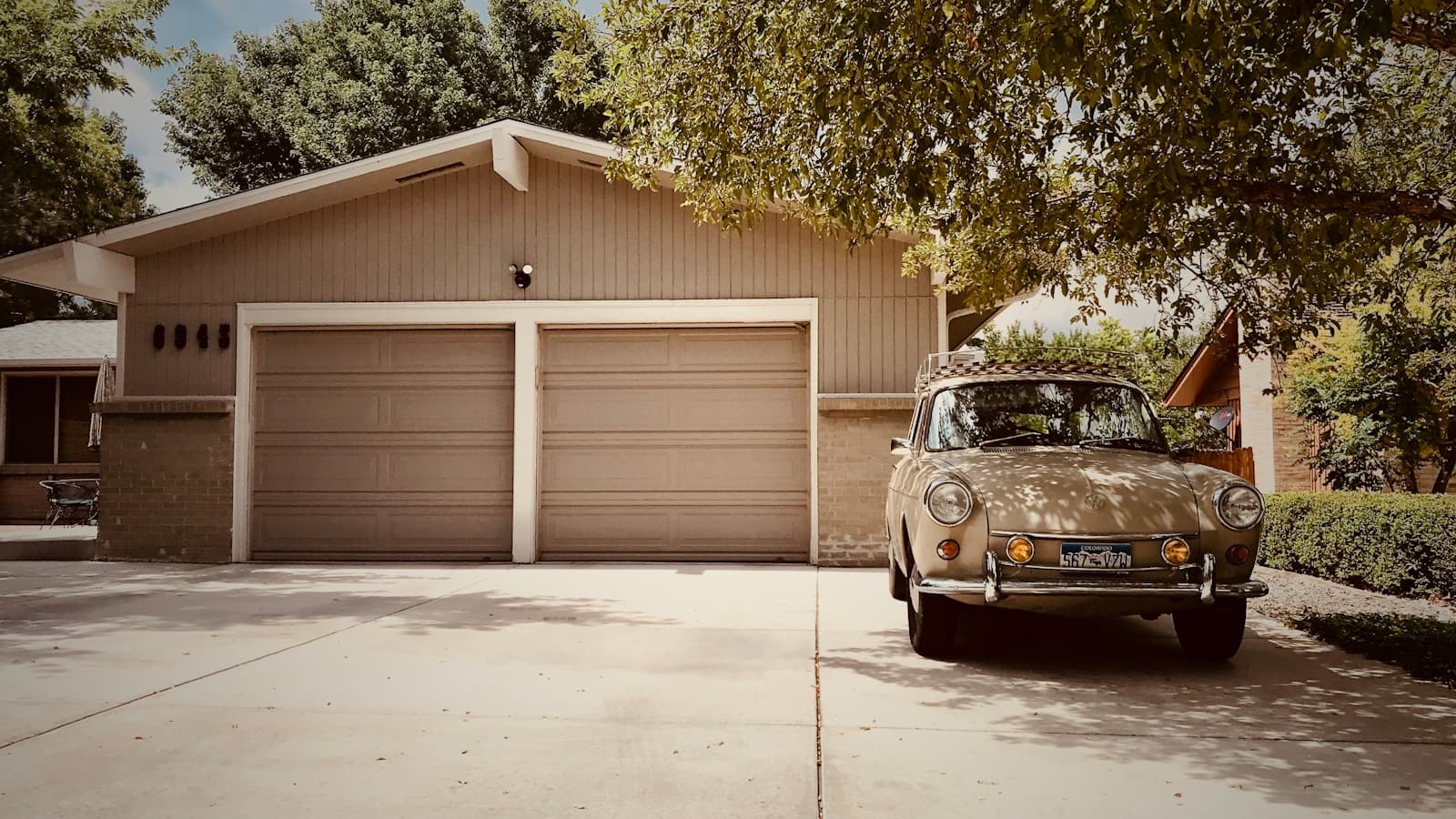
You've maintained your classic car for decades, but specialty insurance pricing works differently after 65—and most collectors don't realize the agreed-value policies they need cost far less than standard coverage when structured correctly.
Why Classic Car Insurance Costs Less Than Standard Coverage for Retired Collectors
Classic car insurance operates on fundamentally different underwriting principles than the standard auto policy covering your daily driver. Specialty insurers assume you're not commuting in a 1967 Mustang or taking a restored Corvette to the grocery store—they price policies for vehicles driven fewer than 2,500 miles annually, stored in secured garages, and maintained by owners who view them as investments rather than transportation. For senior collectors who've retired from daily commutes and own a modern vehicle for routine errands, this model creates significant savings.
Agreed-value policies from specialty insurers like Hagerty, Grundy, or American Collectors typically cost $200–$600 annually for collector vehicles valued between $15,000 and $50,000—often 40–60% less than adding the same vehicle to a standard policy with actual cash value coverage. The key difference: you and the insurer agree on the car's value at policy inception, eliminating depreciation disputes after a total loss. If your 1972 Chevelle is valued at $35,000 based on condition and documentation, that's what you receive if it's totaled, minus no depreciation.
Retirement changes your insurance profile in ways that benefit classic car coverage specifically. You have a documented daily driver for regular use, eliminating insurer concerns about using the collector vehicle for errands. You're home more often, reducing theft risk. You likely have a clean driving record spanning decades. Most specialty insurers offer their best rates to drivers over 65 with these exact characteristics—yet many collectors continue paying standard policy rates because they've never explored specialty options.
State-Specific Requirements That Affect Classic Car Coverage After 65
Classic car insurance requirements vary significantly by state, and some states offer registration and insurance benefits specifically designed for vehicles over 25 years old. At least 32 states offer antique, classic, or historic vehicle registration programs that reduce annual registration fees and sometimes allow exemptions from emissions testing—but these programs typically restrict mileage and prohibit using the vehicle for daily transportation or commuting.
States including Pennsylvania, Virginia, and West Virginia mandate that vehicles registered as antiques can only be used for occasional transportation, exhibitions, club activities, parades, and similar events—never for general daily transportation. If you violate these restrictions and file a claim, your specialty insurer may deny coverage based on improper use. This creates a critical requirement for senior collectors: you must maintain a separate vehicle with standard insurance for daily use to qualify for specialty classic car rates.
Some states including California, Texas, and Florida have higher classic car insurance premiums due to theft rates, weather risks (hail, hurricanes), or higher traffic density that increases accident probability even for limited-use vehicles. Premiums for the same vehicle can vary 30–50% between states. Several states also require specific liability minimums that exceed what some specialty policies offer as base coverage—meaning you may need to increase liability limits beyond the policy minimum to meet state requirements, adding $50–$150 annually to your premium.
Compare rates from carriers that specialize in senior drivers
Mature driver discounts, low-mileage rates, and coverage reviews — see what you're actually eligible for.
Get Your Free Quote✓ Mature Driver Discounts✓ No Obligation✓ Licensed Carriers✓ All 50 States
How Mileage Restrictions and Driving Record Affect Rates After Retirement
Specialty classic car insurers base their pricing on annual mileage caps, typically 1,000 to 5,000 miles depending on the policy tier. Most policies center around 2,500 miles annually—roughly 50 miles weekly or 200 miles monthly. For retired collectors who drive their classic cars to car shows, club meetings, and occasional weekend drives, this limit is rarely constraining. Exceeding your mileage cap without notifying your insurer can void your policy or result in claim denial.
Your driving record matters more after 65 because specialty insurers assume senior collectors are experienced, careful drivers with clean records. A single at-fault accident in the past three years can increase your classic car premium by 20–40%, and a DUI or reckless driving conviction may disqualify you entirely from specialty coverage, forcing you back to standard policies at significantly higher cost. Conversely, if you've maintained a clean record for 10+ years—common among drivers who've aged out of risky driving behaviors—many insurers offer additional discounts of 5–15%.
Some specialty insurers offer tiered pricing based on how you use the vehicle. Pleasure-use policies (car shows, exhibitions, club events only) cost less than policies allowing occasional personal use like anniversary dinners or weekend drives. If you plan to drive your classic car on vacations or extended tours, you'll need a higher mileage tier or a specific touring endorsement, which can add 15–30% to your premium but still costs substantially less than standard coverage.
Agreed Value vs. Stated Value: What Senior Collectors Actually Need
The most critical decision in classic car insurance is choosing between agreed-value and stated-value policies—and most collectors don't understand the difference until they file a claim. Agreed-value policies guarantee a pre-negotiated payout if the vehicle is totaled, with no depreciation applied and no dispute about value at claim time. Stated-value policies allow you to declare the car's value, but the insurer pays only actual cash value at the time of loss, which may be substantially less than what you stated.
Agreed-value coverage costs 10–25% more than stated-value but eliminates the single largest dispute source in classic car claims: what the vehicle was actually worth. If you've invested $40,000 restoring a 1969 Camaro and documented the work with receipts, photos, and appraisals, an agreed-value policy locks in that $40,000 payout. A stated-value policy might pay only $28,000 if the insurer determines that's the market value for a similar vehicle, regardless of your restoration investment.
For senior collectors on fixed retirement income, the premium difference is almost always worth the certainty. The additional $40–$120 annually for agreed-value coverage protects against a potential $10,000–$20,000 shortfall at claim time. Most specialty insurers require a professional appraisal every 3–5 years to maintain agreed-value coverage, costing $150–$400 per appraisal—but this documentation also supports accurate valuations and can reveal appreciation that justifies increasing your coverage limits.
Storage, Security, and Multi-Vehicle Discounts That Lower Premiums
Where and how you store your classic car directly affects your insurance premium. Vehicles stored in enclosed, locked garages at your primary residence receive the lowest rates. Parking a classic car on the street or in an open carport can increase premiums by 25–50% due to theft and weather exposure risks. If you store your vehicle in a climate-controlled facility or specialized storage unit, most insurers require proof of the facility's security measures—cameras, alarms, limited access—to qualify for garage storage rates.
Installing anti-theft devices including kill switches, GPS tracking systems, or alarm systems can reduce premiums by 5–15%. Some insurers offer specific discounts for LoJack or similar recovery systems, particularly for high-value vehicles over $50,000. If you've invested in a classic car with significant theft appeal—muscle cars, vintage Porsches, early Corvettes—these security measures often pay for themselves within two to three years through premium reductions.
Multi-vehicle discounts apply differently in classic car insurance than in standard auto policies. If you insure your daily driver and your classic car with the same specialty insurer, you may receive a 10–20% discount on the classic car policy. Some insurers including Hagerty and American Modern offer additional discounts if you insure multiple collector vehicles with them—5–10% off each vehicle when you insure two or more classics. For senior collectors with several vintage vehicles, consolidating all classic car coverage with one specialty insurer can reduce total annual premiums by $150–$400 compared to insuring each vehicle separately.
Medicare and Medical Payments Coverage Considerations for Senior Collectors
Senior drivers covered by Medicare face specific questions about whether they need medical payments coverage or personal injury protection (PIP) on their classic car policies. Medicare covers accident-related injuries regardless of fault, but it functions as secondary coverage if you have auto insurance medical payments—meaning your auto policy pays first up to its limits, then Medicare covers remaining eligible expenses.
Most specialty classic car policies include minimal medical payments coverage—often $1,000–$5,000—as part of base premiums. For senior collectors with Medicare, increasing this coverage to $10,000 or higher typically adds only $15–$40 annually but can reduce out-of-pocket costs if you're injured while driving or riding in your classic car. Medicare Part B has deductibles and coinsurance that your auto medical payments can cover, reducing your immediate expenses after an accident.
If you live in a no-fault state requiring PIP coverage, your classic car policy must include it regardless of Medicare enrollment. States including Florida, Michigan, and New York mandate PIP minimums ranging from $10,000 to $50,000. In these states, your PIP pays first for accident-related medical expenses, then Medicare covers additional costs—meaning you're effectively layering coverage but meeting state legal requirements. Some seniors reduce PIP limits to state minimums to lower premiums, relying on Medicare for comprehensive medical coverage beyond those minimums.
When to Drop Collision Coverage on Older Classics
The calculus for dropping collision coverage on a classic car differs completely from the standard "10% rule" used for daily drivers. Classic cars appreciate or hold value rather than depreciating, and repair costs using period-correct parts often exceed modern vehicle repairs. This makes the decision more complex for senior collectors evaluating whether collision coverage remains cost-justified.
If your classic car is valued under $10,000 and you're paying more than $200 annually for collision coverage with a $500–$1,000 deductible, you're paying 2–4% of the vehicle's value yearly for coverage that would net you less than $9,000 after the deductible if totaled. For vehicles in this range that you could afford to replace or repair from savings, dropping collision and keeping only comprehensive and liability can reduce annual premiums by 30–50%.
For higher-value classics worth $25,000 or more, collision coverage typically remains worthwhile even at $300–$500 annually because a single accident could total a vehicle you can't easily replace at that value. The exception: if you only drive the vehicle to organized shows and events on closed courses, never on public roads, some collectors choose to eliminate collision coverage and rely solely on comprehensive for non-collision risks like fire, theft, or vandalism. This requires strict discipline about usage and explicit understanding with your insurer about how the vehicle is operated.