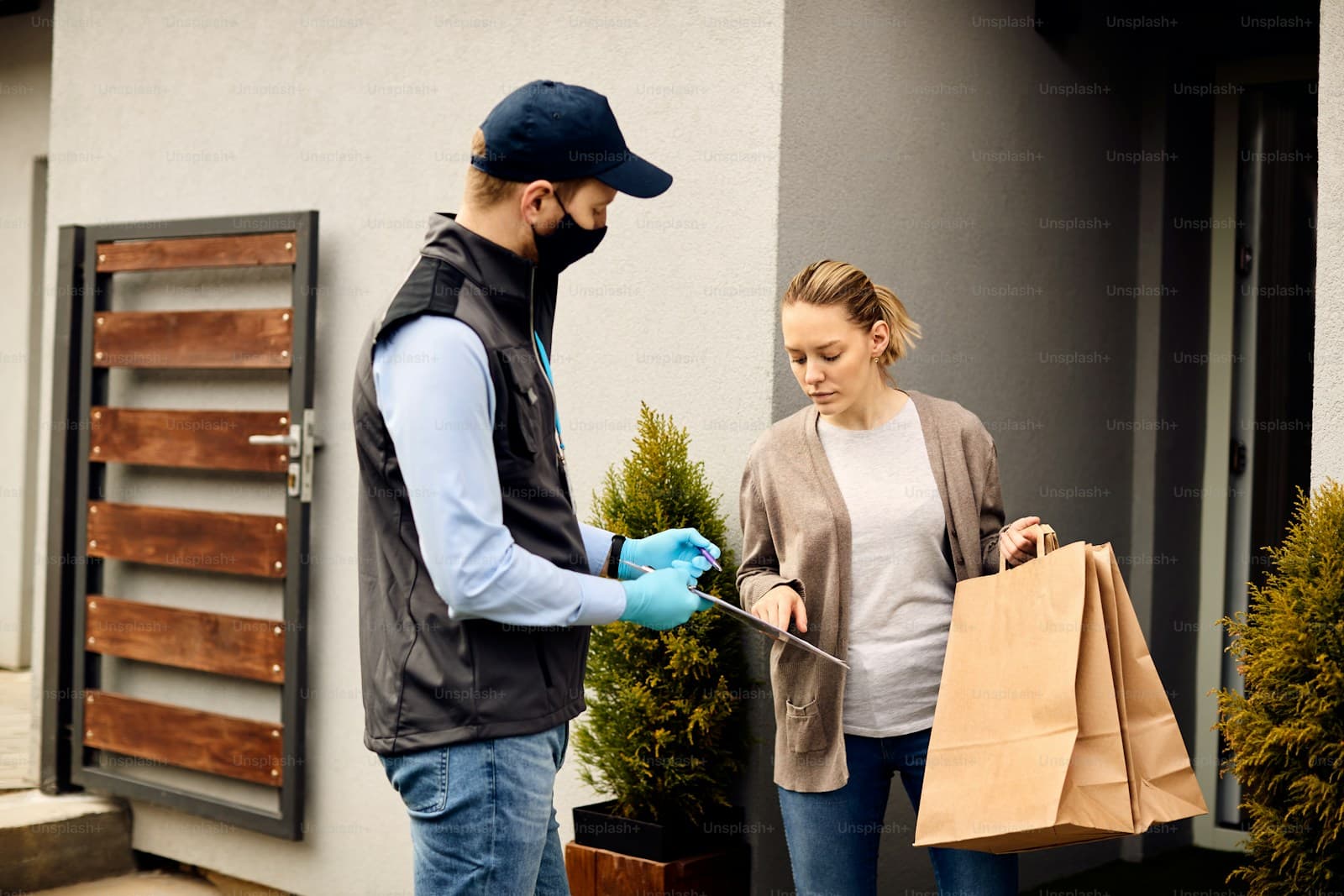
If you're driving for DoorDash after retirement, your personal auto policy likely doesn't cover you during deliveries — and most seniors discover this gap only after filing a claim.
When Your Personal Auto Policy Stops Covering DoorDash Deliveries
Your personal car insurance — the policy you've likely held for decades — contains a commercial use exclusion that voids coverage the moment you turn on the DoorDash app and accept a delivery. This isn't a gray area: personal auto policies explicitly exclude coverage for any driving done for compensation, including food delivery, rideshare, or package transport. Carriers don't send a warning letter when you start delivering. They deny the claim after an accident.
The gap appears in three phases during every delivery. From the moment you accept an order until you pick up the food, you're driving commercially with zero coverage — your personal policy excludes it, and DoorDash's policy hasn't activated yet. While transporting food to the customer, DoorDash provides liability coverage, but it's secondary to your personal policy, which has already excluded the trip. After drop-off, you're back to the acceptance-to-pickup gap if you immediately accept another order, or you're covered by your personal policy only if you've logged off the app entirely.
For senior drivers adding DoorDash income to supplement Social Security or retirement savings, this creates a significant exposure. If you cause an accident while driving to pick up an order — even a minor fender-bender — your carrier can deny the claim entirely, leaving you personally liable for the other driver's vehicle damage, medical bills, and your own repairs. A single at-fault accident during this gap can cost $15,000–$50,000 out of pocket, depending on injury severity and state liability limits.
What DoorDash's Insurance Actually Covers (and What It Doesn't)
DoorDash provides commercial auto liability coverage while you're actively transporting food — from restaurant pickup to customer delivery. The policy includes $1 million in liability coverage for injuries or property damage you cause to others, but it's excess coverage, meaning it only pays after your personal policy's limits are exhausted. Since your personal policy has already excluded the trip, DoorDash's excess coverage becomes primary by default, but only during the active delivery window.
DoorDash's policy does not cover the gap between accepting an order and picking up the food. It does not cover your own vehicle damage (collision or comprehensive) at any point. It does not cover your medical bills if you're injured. And it does not cover any period when the app is on but you haven't accepted an order — you're technically available for work, which can trigger the commercial exclusion in your personal policy, but DoorDash's coverage hasn't begun.
For senior drivers, this creates a Medicare coordination issue that most don't anticipate. If you're injured in an accident while delivering, your personal medical payments coverage or PIP won't apply because the trip was commercial. Medicare typically doesn't cover injuries from commercial activity if other insurance should have been primary. You could be left covering your own emergency room visit, imaging, and follow-up care — costs that can exceed $10,000–$25,000 for moderate injuries like fractures or soft tissue damage requiring physical therapy.
Compare rates from carriers that specialize in senior drivers
Mature driver discounts, low-mileage rates, and coverage reviews — see what you're actually eligible for.
Get Your Free Quote✓ Mature Driver Discounts✓ No Obligation✓ Licensed Carriers✓ All 50 States
Adding Commercial Coverage Without Paying Full Business Rates
A full commercial auto policy — the type a delivery company would carry for a fleet — typically costs $3,000–$6,000 annually, far more than most senior drivers earn from part-time DoorDash work. But you don't need a full commercial policy. What you need is either a rideshare/delivery endorsement added to your existing personal policy, or a hybrid policy designed for gig workers.
A delivery endorsement typically adds $20–$40 per month to your existing premium and extends your personal liability, collision, and comprehensive coverage to periods when you're logged into the DoorDash app, including the acceptance-to-pickup gap. Not all carriers offer this endorsement — State Farm, Allstate, and Progressive do in most states, but GEICO and Travelers typically don't. You must ask for it by name; agents won't automatically suggest it, and it won't appear on renewal paperwork unless you've already added it.
Alternatively, commercial policies designed specifically for gig workers — offered by carriers like NEXT Insurance or Hype — provide gap coverage at $30–$60 per month, covering only the periods your personal policy excludes. These policies stack with your personal coverage rather than replacing it. For senior drivers doing 10–15 hours of deliveries per week, the endorsement route is usually more cost-effective. For those doing 20+ hours weekly and earning $800+ monthly from DoorDash, a standalone gig policy often provides better limits and fewer exclusions.
How Mature Driver Discounts and Low-Mileage Programs Interact with Delivery Work
If you've completed a mature driver course and receive a 5–10% discount on your personal auto policy, adding DoorDash work doesn't automatically void that discount — but it changes the math on whether you're still getting value from it. Most mature driver discounts save $60–$150 annually. Adding a delivery endorsement costs $240–$480 annually. Your net premium increase is still $90–$420 per year even with the discount intact.
Low-mileage discounts — often worth 10–20% for drivers under 7,500 annual miles — become harder to justify once you add delivery driving. If you're currently driving 5,000 personal miles per year and qualify for a low-mileage discount, adding 4,000 DoorDash miles annually pushes you over most thresholds. You'll lose the discount, and your base rate may increase because your annual mileage now exceeds the tier your policy was priced in. Carriers don't prorate mileage by personal versus commercial use; they count total miles driven.
Telematics programs like Snapshot (Progressive) or Drive Safe & Save (State Farm) can work against senior delivery drivers even if your driving habits are excellent. These programs measure hard braking, rapid acceleration, and time of day. Delivery driving — especially in urban areas during dinner rush — naturally involves more sudden stops, quicker starts from traffic lights, and driving during higher-risk evening hours. Senior drivers who score well on telematics during normal personal driving often see their scores drop 15–30% once they add delivery work, erasing discounts worth $100–$300 annually.
State-Specific Rules That Change Coverage Requirements for Gig Drivers
California requires DoorDash and other gig platforms to provide occupational accident insurance covering drivers' medical expenses and disability if injured while online and available for orders, even during the acceptance-to-pickup gap. This doesn't replace your need for a delivery endorsement — it only covers your injuries, not liability to others or vehicle damage — but it does eliminate the Medicare coordination gap that exists in other states.
New York mandates that for-hire vehicle insurance include hired car liability coverage for any driver using a personal vehicle for commercial purposes, including food delivery. While DoorDash is not technically a for-hire vehicle service (you're transporting goods, not passengers), the state's regulatory approach means more carriers offer delivery endorsements in New York than in most states, and premiums for those endorsements are often 20–30% lower due to competitive pressure.
Florida, Michigan, and other no-fault states require personal injury protection (PIP) on all auto policies. If you're delivering in a no-fault state, your PIP coverage may or may not extend to commercial activity depending on your carrier and policy language. Some Florida carriers explicitly exclude PIP coverage during commercial use; others apply it as primary even during deliveries. This isn't standardized — you must request your policy's commercial use exclusion language in writing and have it reviewed before your first delivery. Senior drivers in no-fault states face higher out-of-pocket risk if PIP is excluded, because medical bills from even minor accidents routinely exceed $15,000–$25,000 once diagnostic imaging and specialist referrals are included.
When DoorDash Income Justifies the Coverage Cost (and When It Doesn't)
If you're earning $400–$600 monthly from DoorDash — typical for senior drivers working 10–12 hours per week — and a delivery endorsement costs $30 per month, you're spending 5–7.5% of gross delivery income on incremental insurance. That's before accounting for fuel, vehicle depreciation, and maintenance. After expenses, your net income is roughly 40–50% of gross, meaning the endorsement consumes 10–15% of actual take-home pay from deliveries.
For senior drivers on fixed income using DoorDash to cover a specific monthly expense — a Medicare supplement premium, prescription costs, or a car payment — the coverage cost is often justified because the alternative is personal liability exposure that could eliminate retirement savings. A single uninsured accident causing $30,000 in damages could wipe out years of supplemental income and force liquidation of assets to satisfy a judgment.
But if you're delivering occasionally — fewer than 20 hours monthly, earning under $300 — the insurance math rarely works. You're spending $30–$40 monthly to protect $250–$300 in gross income, leaving you with minimal or negative net gain after fuel and depreciation. In this scenario, the more cost-effective approach is either increasing delivery hours to justify the fixed insurance cost, or stopping delivery work entirely and redirecting that time to income sources that don't require commercial coverage.
How to Verify Coverage Before Your First Delivery
Call your insurance agent or carrier's underwriting department — not the general customer service line — and state explicitly: "I'm planning to drive for DoorDash and need to know if my current policy covers commercial food delivery, or if I need to add an endorsement." Do not ask if you're "allowed" to do delivery work. Ask specifically whether the policy covers it. Request the answer in writing via email or letter, and save it with your policy documents.
If your carrier doesn't offer a delivery endorsement, you have three options. First, shop for a carrier that does — State Farm, Progressive, and Allstate offer endorsements in most states, and senior drivers with clean records often qualify for competitive base rates even after switching. Second, purchase a standalone gig insurance policy from a specialty provider and maintain it concurrently with your personal policy, ensuring no gap exists between the two. Third, stop DoorDash work until you've secured proper coverage — the financial risk of a single uninsured claim vastly exceeds any income you'd earn during the gap period.
Before logging into the DoorDash app for the first time, confirm your new endorsement or gig policy is active by checking your declarations page. The endorsement should appear as a named line item, often listed as "Transportation Network Driver Coverage," "Delivery Driver Endorsement," or "Commercial Use Coverage." If it's not explicitly listed, it's not active. Do not rely on verbal confirmation from an agent; coverage disputes are resolved by what appears in writing on your policy, not what you were told during a phone call.





