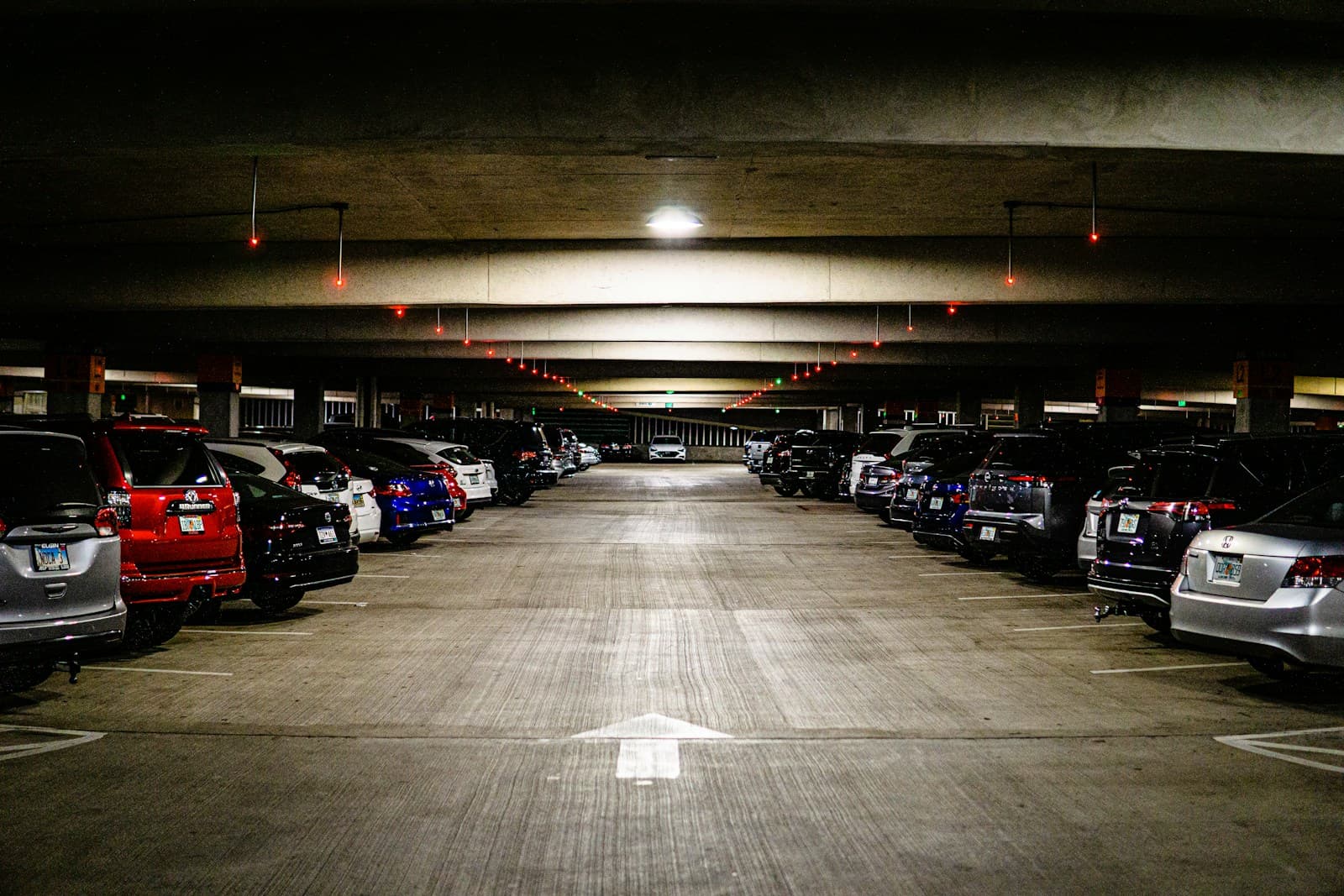
You've parked your car the same way for years, but where you store it overnight now affects your insurance premium more than most senior drivers realize—especially if you're on a fixed income and haven't asked your carrier to verify your parking situation in writing.
Why Parking Location Affects Your Premium More After 65
Insurance carriers use parking location as a theft and vandalism risk factor, and that calculation changes significance as you age. For drivers 65 and older, comprehensive coverage—which covers theft, vandalism, and weather damage—becomes proportionally more expensive relative to liability as actuarial age adjustments increase your base rate. A garaged vehicle typically qualifies for a 5–15% discount on comprehensive premiums, which translates to larger absolute dollar savings when your overall rates are higher.
The discount structure varies widely by state and carrier. In urban areas with higher theft rates—major metropolitan zones in California, Texas, Florida, and Illinois—the garage discount can reach 20% on comprehensive coverage. In rural areas with lower property crime rates, the same discount may drop to 3–8%. What most senior drivers miss is that this discount requires active documentation: your carrier needs proof of regular garage use, not just a checkbox you marked years ago when you first bought the policy.
Many retirees change their parking habits after stopping their commute but never update their insurer. If you previously street-parked near your workplace but now garage your vehicle at home full-time, you may qualify for a discount you're not receiving. Conversely, if you moved from a home with a garage to a condo or apartment with only street parking, your rate should reflect that change—but carriers rarely increase rates proactively for parking downgrades without a claims trigger.
State-Specific Variations in Parking-Related Discounts
State insurance regulations determine how much weight carriers can assign to parking location. California restricts the use of certain non-driving factors in rate-setting, which limits how aggressively carriers can discount for garaging—but the state's high vehicle theft rates mean even modest percentage discounts produce meaningful savings. In California, expect garage discounts of 8–12% on comprehensive coverage for senior drivers in metro areas.
Florida allows broader use of parking location in underwriting, and the state's hurricane risk amplifies the value of garage storage. Senior drivers in coastal Florida counties who garage vehicles during hurricane season can see combined discounts of 15–22% on comprehensive coverage when bundled with storm preparedness verifications. Texas similarly permits significant parking-based rate adjustments, with urban garage discounts ranging from 10–18% in Houston, Dallas, and San Antonio.
Some states mandate that carriers offer specific parking-related discounts to all age groups, but enforcement and carrier compliance vary. Illinois requires insurers to disclose all available discounts at renewal, which theoretically includes parking location—but the disclosure is often buried in multi-page renewal packets that many senior drivers skim rather than read thoroughly. New York and Michigan have similar disclosure requirements with equally poor practical compliance. If you live in a state with mandated discount transparency, request a line-item breakdown of every discount applied to your current policy and every discount for which you might qualify.
Compare rates from carriers that specialize in senior drivers
Mature driver discounts, low-mileage rates, and coverage reviews — see what you're actually eligible for.
Get Your Free Quote✓ Mature Driver Discounts✓ No Obligation✓ Licensed Carriers✓ All 50 States
How to Document Your Parking Situation for Maximum Savings
Carriers verify parking location differently, and senior drivers often lose discounts because they provide insufficient documentation. A verbal claim that you park in a garage is not enough. Most insurers require one or more of the following: photographs timestamped within the past 30 days showing your vehicle in the garage with the license plate visible, a lease or mortgage document indicating garage access, or a notarized statement from a property manager or homeowners association confirming regular garage use.
If you share a garage with a spouse or family member and park multiple vehicles, clarify which vehicle occupies the garage overnight most consistently. Some carriers apply the garage discount only to the primary garaged vehicle and rate additional vehicles as street-parked unless you provide evidence of multi-car garage capacity. For senior households that downsized from a two-car garage to a one-car garage or carport, this distinction can mean the difference between receiving a full discount on one vehicle or a partial discount split across two.
Timing matters when updating parking information. Submit documentation immediately after a permanent change—such as moving to a new residence or completing a garage renovation—rather than waiting until renewal. Most carriers apply parking discounts prospectively from the date you notify them with proper documentation, not retroactively. If you've been garaging your vehicle for three years but only documented it this month, you likely cannot recover the discount for prior policy periods. However, some state regulations require carriers to apply qualifying discounts retroactively for up to 12 months if the policyholder can demonstrate the qualifying condition existed and was simply not reported. Check your state insurance department's guidance on retroactive discount applications.
Street Parking Realities: When Full Coverage Stops Making Financial Sense
If you street-park a paid-off vehicle worth less than $5,000, the math on comprehensive and collision coverage often stops working in your favor after 65. Comprehensive coverage typically costs senior drivers $180–$400 annually depending on state and vehicle, while collision runs $350–$700 annually. If your vehicle's actual cash value is $4,000 and your annual combined coverage cost is $600, you're paying 15% of the car's value each year to insure against total loss—and that percentage climbs as the vehicle depreciates.
Street parking increases theft and vandalism risk, which raises comprehensive premiums further. For a 10-year-old sedan worth $3,500 that's street-parked in an urban area, comprehensive coverage might cost $320 annually while the maximum claim payout after deductible is capped around $3,000. Senior drivers on fixed incomes should calculate whether self-insuring that risk makes more sense than paying the premium. The break-even point typically arrives when annual coverage costs exceed 20% of the vehicle's value.
Before dropping comprehensive and collision, verify that you're not financing the vehicle and that your state doesn't require specific coverage levels for registration. Some senior drivers assume their paid-off car has no lien, but home equity loans or reverse mortgages sometimes include clauses requiring maintained coverage on titled assets. Additionally, if you're considering whether liability-only coverage is sufficient, factor in your personal asset exposure—seniors with retirement accounts, home equity, or other significant assets may need higher liability limits regardless of their vehicle's age or parking situation.
What Senior Drivers Should Ask Their Carrier About Parking Discounts
Most carriers do not proactively audit parking locations at renewal, which means outdated information stays in your file indefinitely unless you flag it. Call your carrier or agent and ask three specific questions: "What parking location is currently listed on my policy?", "What documentation do you need to verify my current parking situation?", and "What is the exact dollar difference in my premium between garage and street parking for my vehicle and coverage levels?"
The third question is critical because percentage discounts are misleading without context. A 12% discount sounds significant, but if it applies only to your $240 annual comprehensive premium, the actual savings is $29 per year—helpful but not transformative. Conversely, if you carry high coverage limits and the discount applies to multiple coverage components, the same percentage might save you $180 annually. Request a side-by-side quote showing your current premium and your premium with verified garage parking, itemized by coverage type.
If your carrier cannot provide specific documentation requirements or quotes both scenarios accurately over the phone, ask for the information in writing via email or postal mail. Senior drivers dealing with memory concerns or managing policies for a spouse should maintain a physical or digital file with all policy communications, including parking verification submissions and confirmation that discounts were applied. Some states require carriers to confirm discount applications in writing within 30 days of receiving qualifying documentation—if your state has this requirement and your carrier misses the deadline, you may have grounds to request retroactive application or premium refunds.
How Parking Location Interacts With Other Senior Discounts
Parking discounts stack with other reductions available to senior drivers, but carriers apply them in different orders, which affects total savings. A mature driver course discount—typically 5–10% on liability and sometimes comprehensive—is usually applied to your base premium before parking location adjustments. That means your garage discount is calculated on an already-reduced rate, which lowers the absolute dollar benefit slightly but still compounds your total savings.
Low-mileage programs, which many retired drivers qualify for after ending their commute, interact more directly with parking location. If you drive fewer than 7,500 miles annually and garage your vehicle, you present a significantly lower risk profile than someone who drives 12,000 miles and street-parks. Some carriers offer bundled low-mileage-plus-garage discounts that exceed the sum of applying each discount independently. AARP and AAA partnerships with major carriers sometimes feature these bundled structures specifically for senior drivers, though you typically must ask about them by name rather than waiting for the carrier to suggest them.
Telematics programs that monitor driving habits can also combine with parking verification. If you use a plug-in device or smartphone app that tracks mileage and driving times, some carriers cross-reference that data with your stated parking location. Consistent overnight parking in the same location—your garage—can reinforce your discount eligibility and occasionally qualify you for additional safe storage credits. However, privacy-conscious senior drivers should understand that telematics data becomes part of your underwriting file and may be used in ways beyond the immediate discount program.





