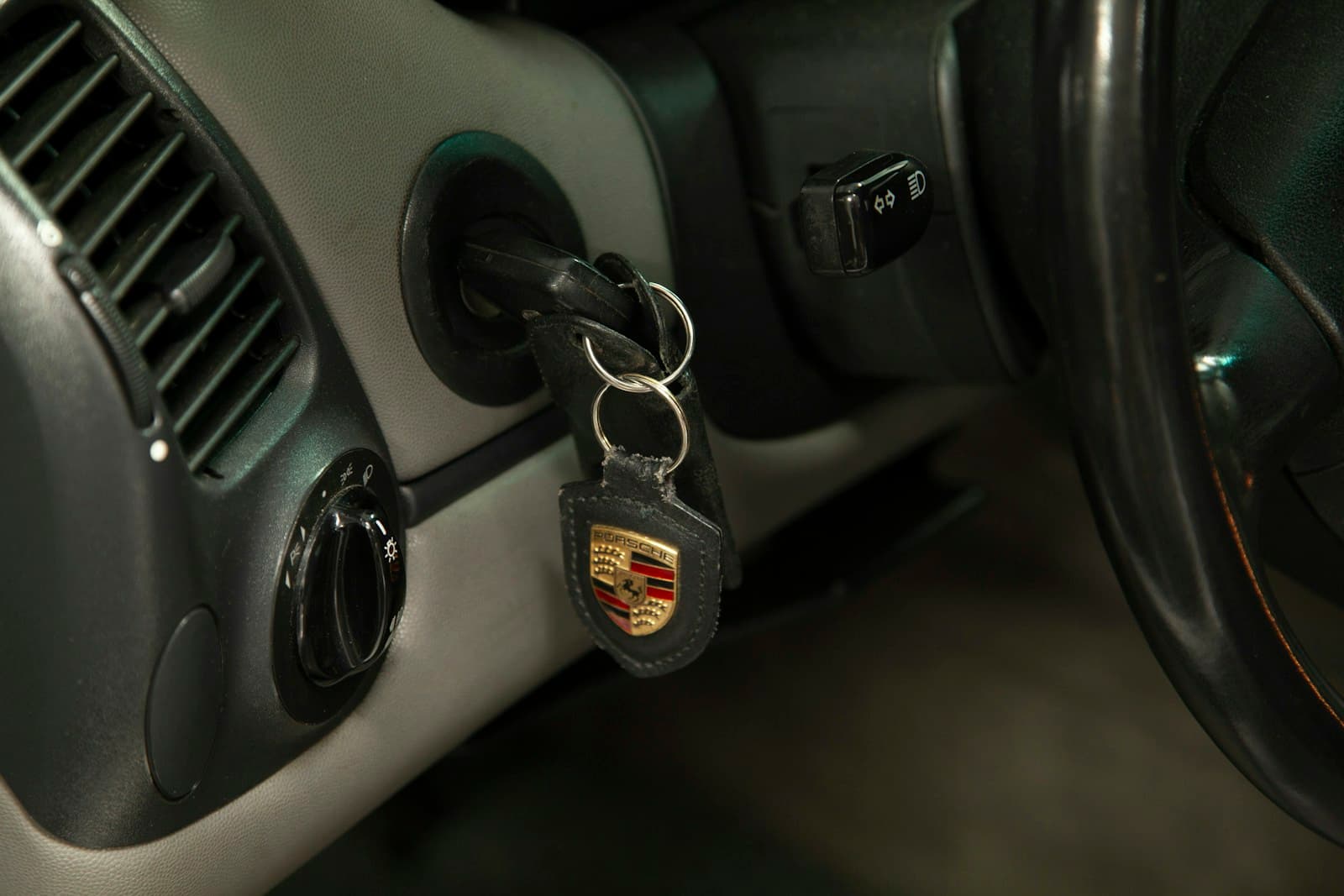
You've had the same clean driving record for decades, but your premium keeps climbing. Installing a passive or active anti-theft device can reduce comprehensive premiums by 5–25%, yet most carriers don't ask whether your vehicle already has one at renewal.
Why Anti-Theft Discounts Matter More on a Fixed Income
Comprehensive coverage premiums increase an average of 8–12% for drivers between ages 65 and 75, even with no claims filed. That increase compounds annually on vehicles you own outright, creating a scenario where you're paying progressively more to insure a depreciating asset. Anti-theft discounts directly reduce the comprehensive portion of your premium, which covers theft and vandalism—the exact component that rises disproportionately as your vehicle ages.
The discount range varies dramatically based on device type. Passive anti-theft systems like factory alarm systems typically reduce comprehensive premiums by 5–15%, while active systems requiring driver engagement—such as steering wheel locks or kill switches—can produce discounts of 15–25%. If your current comprehensive premium is $400 annually, a verified passive system could reduce that by $20–$60 per year, while an active system might save $60–$100.
Most carriers tier their anti-theft discounts but don't proactively verify which systems your vehicle contains. If you purchased your vehicle new in 2010 or later, it likely has a factory-installed passive alarm and engine immobilizer. If you never explicitly requested the discount when you bought the policy or at renewal, you're likely paying full comprehensive rates despite qualifying for a reduction.
Which Anti-Theft Features Your Vehicle Already Has
Nearly all vehicles manufactured after 2015 include at least two anti-theft features as standard equipment: an engine immobilizer that prevents hotwiring and a factory alarm system that triggers on forced entry. Many vehicles built after 2018 also include GPS tracking capability through connected car services like OnStar, BMW Assist, or Mercedes me connect. You don't need to purchase aftermarket equipment to qualify for most anti-theft discounts—you need to verify what's already installed.
Check your vehicle's original window sticker or owner's manual for the security features list. Most manufacturers list immobilizers under "theft-deterrent system" and alarms under "vehicle security." If your vehicle has a factory navigation system or subscription-based connectivity service, it almost certainly has GPS tracking capability, which qualifies for the highest tier of anti-theft discounts at most carriers.
If you no longer have the window sticker, your vehicle identification number (VIN) search on the manufacturer's website will generate a complete feature list. GEICO, State Farm, and Allstate all maintain VIN lookup tools that cross-reference factory-installed anti-theft equipment against their discount schedules, but you must initiate the request—they won't run this check automatically at renewal.
Compare rates from carriers that specialize in senior drivers
Mature driver discounts, low-mileage rates, and coverage reviews — see what you're actually eligible for.
Get Your Free Quote✓ Mature Driver Discounts✓ No Obligation✓ Licensed Carriers✓ All 50 States
How to Request Verification and Apply the Discount
Call your current carrier and ask specifically: "Does my policy reflect all available anti-theft discounts for factory-installed equipment on my vehicle?" Do not ask whether you qualify for anti-theft discounts generally—that produces a scripted response about aftermarket devices. Reference your VIN and request they verify the discount against their internal equipment database. This call takes 8–12 minutes and should produce immediate confirmation of which systems your vehicle has and which discounts currently apply.
If the representative cannot verify factory equipment, request they email you the list of anti-theft features required for each discount tier. You'll then provide documentation—typically a photo of the relevant page from your owner's manual showing the immobilizer or alarm system, or a screenshot of your VIN lookup from the manufacturer's site. Most carriers process this documentation within 3–5 business days and backdate the discount to your current policy period if the equipment was installed when coverage began.
Some carriers require annual reverification, particularly for GPS-based discounts tied to subscription services. If your OnStar or similar service lapses, the discount disappears at the next renewal. Set a calendar reminder 60 days before your policy renews to confirm all subscription-based anti-theft services remain active—a lapsed $15/month subscription can cost you $80–$120 annually in lost comprehensive discounts.
State-Specific Anti-Theft Discount Requirements
California, Florida, Illinois, New York, Pennsylvania, and Texas mandate that carriers offer anti-theft discounts, but the specific discount amounts and qualifying equipment vary significantly by state. California requires insurers to provide at least a 5% comprehensive discount for passive alarm systems and mandates they inform policyholders of the discount availability at application and renewal. Florida law requires carriers to offer discounts for both passive and active systems but doesn't specify minimum percentages, resulting in carrier-specific ranges of 5–30%.
New York's regulations specify that immobilizers must produce a minimum 10% comprehensive discount, and insurers must affirmatively ask about anti-theft equipment during the application process. Pennsylvania and Texas have similar disclosure requirements but don't mandate minimum discount levels. If you live in a state with mandatory anti-theft discount laws and your carrier never asked about your vehicle's security features, file a formal inquiry with your state Department of Insurance—this often results in retroactive application of the discount for up to 12 months.
Some states also offer reduced registration fees for vehicles with verified anti-theft systems. Illinois provides a $1 annual registration discount per anti-theft device (maximum two devices), while Maryland offers a $15 annual excise tax reduction for vehicles with active tracking systems. These aren't insurance discounts, but they compound the total annual savings from verified anti-theft equipment.
Whether Adding Aftermarket Devices Makes Financial Sense
If your vehicle was manufactured before 2010 and lacks factory anti-theft equipment, aftermarket installation might justify the cost—but only if your current comprehensive premium exceeds $300 annually. A professionally installed steering wheel lock or kill switch costs $150–$400 depending on the device and your vehicle type. At a 20% comprehensive discount on a $350 annual premium, you'd save $70 per year, recovering installation costs in 2–6 years.
GPS tracking devices with professional monitoring cost $200–$500 to install plus $15–$30 monthly subscription fees. Unless your comprehensive premium exceeds $600 annually, the subscription cost alone will exceed your discount savings. These devices make financial sense primarily for high-value vehicles or in ZIP codes with vehicle theft rates significantly above the state average—if you're driving a paid-off sedan worth $8,000 in a suburban area, the economics rarely work.
Before purchasing any aftermarket device, request a written quote from your carrier showing the exact discount amount you'll receive for that specific device model. Some carriers don't recognize certain aftermarket brands, and you don't want to invest $300 in equipment that produces a $25 annual discount. GEICO and Progressive both maintain published lists of approved aftermarket anti-theft devices on their websites—verify your intended purchase appears on that list before installation.
How Anti-Theft Discounts Interact With Other Senior Driver Savings
Anti-theft discounts stack with mature driver course discounts, low-mileage discounts, and multi-policy bundling—they reduce different components of your premium. A mature driver course discount typically reduces your liability premium by 5–10%, while anti-theft discounts reduce comprehensive. If you're carrying full coverage on a paid-off vehicle, combining these discounts can reduce your total annual premium by $200–$450 depending on your state and coverage limits.
Low-mileage programs also compound anti-theft savings. If you're driving fewer than 7,500 miles annually—common for retirees who no longer commute—you qualify for mileage-based discounts of 5–20% on both comprehensive and collision coverage. When combined with anti-theft verification, a driver in Pennsylvania with $500 comprehensive and $600 collision annual premiums could reduce total premium costs by $180–$280 per year through these two adjustments alone.
Some carriers offer bundled "vehicle safety packages" that combine anti-theft, airbag, and anti-lock brake discounts into a single tier. State Farm's Steer Clear program and Allstate's Safe Driving Bonus both include anti-theft components that produce larger combined discounts than requesting each feature individually. Ask your carrier whether they offer package discounts that incorporate anti-theft verification—you may access a larger reduction by bundling than by requesting line-item adjustments.
When to Drop Comprehensive and Keep the Device Anyway
If your vehicle's actual cash value falls below $3,000 and your comprehensive premium exceeds $250 annually, you're approaching the threshold where dropping comprehensive makes more financial sense than maximizing discounts. Even with a 25% anti-theft discount reducing that $250 premium to $187, you'd recover your vehicle's full value in claims after just 16 months of premiums—and that's before factoring in your deductible.
But keeping functional anti-theft devices installed after dropping comprehensive coverage still serves a purpose. If you decide to re-add comprehensive later—common when drivers anticipate extended storage during winter months or plan a cross-country trip—having verified anti-theft equipment already documented in your carrier's system means the discount applies immediately when coverage resumes. You won't need to reverify equipment or wait for documentation processing.
Some states also offer reduced personal property tax assessments for vehicles with active anti-theft systems, separate from insurance considerations. Virginia, Connecticut, and Rhode Island all provide modest property tax reductions for vehicles with verified tracking or immobilizer systems. If you're weighing whether to maintain a subscription-based GPS service after dropping comprehensive, check whether your municipality offers property tax relief that offsets part of the subscription cost.