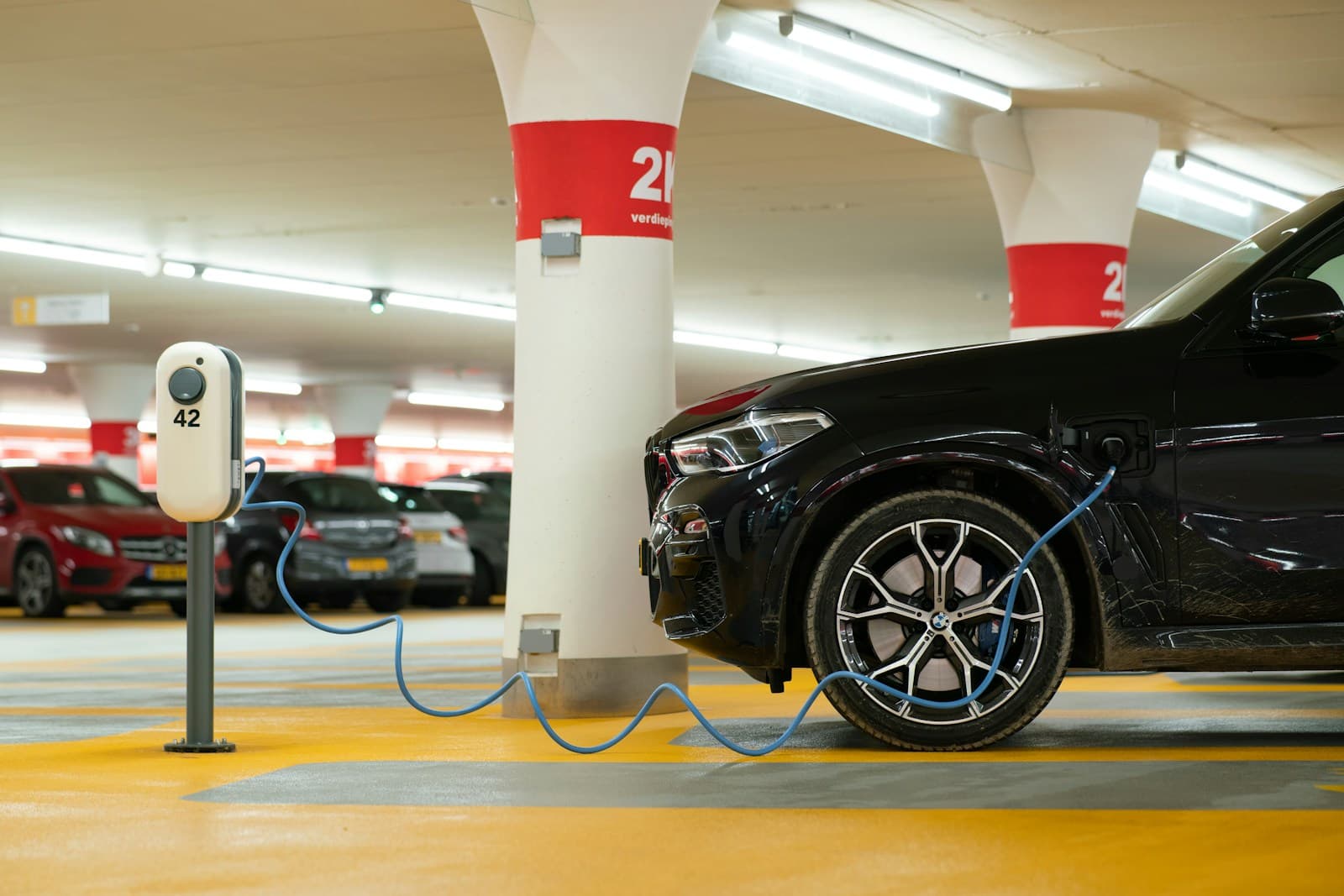
You've noticed hybrid and electric vehicles cost less to fuel and maintain, but insurance rates tell a different story for drivers over 65—and the standard senior discounts don't always apply the same way to EVs.
Why Electric Vehicle Insurance Costs More for Senior Drivers
Electric vehicles carry higher insurance premiums than their gas-powered equivalents, and this gap widens for drivers over 65. The average full-coverage premium for a 70-year-old driving a Tesla Model 3 runs $180–$220/mo compared to $140–$170/mo for a Toyota Camry of similar value, according to 2024 rate surveys from multiple carriers. The difference stems from battery replacement costs—$12,000–$20,000 for most EVs—and specialized repair requirements that push comprehensive and collision coverage higher.
This cost structure hits senior drivers harder because age-related rate increases compound the EV surcharge. Between ages 65 and 75, most drivers see base rates rise 10–20% regardless of vehicle type, but when applied to an already-elevated EV premium, the dollar impact grows. A driver paying $200/mo at age 68 might face $240/mo by age 75 for the same coverage and clean record, with no change in driving behavior justifying the increase.
The repair cost issue matters more for retirees than working drivers because comprehensive coverage becomes harder to drop even on a paid-off EV. Gas-powered vehicles depreciate predictably, making the comprehensive-versus-savings calculation straightforward after 6–8 years. EVs depreciate differently due to battery degradation concerns, and their replacement parts remain expensive regardless of vehicle age, leaving senior owners in a coverage bind: pay high premiums to protect a depreciating asset, or risk five-figure repair bills if the battery or electric drivetrain fails.
How Hybrid Vehicles Perform Better on Senior Driver Premiums
Hybrid vehicles occupy a middle ground that works better for most senior drivers' insurance budgets. A Toyota Prius or Honda Accord Hybrid typically costs 3–8% more to insure than the gas-only version—modest compared to the 15–25% premium jump for full electrics. The repair cost differential is smaller because hybrids use conventional brakes, suspension, and body parts, with only the battery pack and electric motor adding specialized components.
Mature driver course discounts apply equally to hybrids and gas vehicles, and most insurers don't classify hybrids as specialty vehicles requiring surcharges. A 68-year-old completing an approved defensive driving course in California saves 10% on premiums regardless of powertrain type. That $15–$20/mo savings compounds over time and stacks with low-mileage discounts that many retirees already qualify for by driving under 7,500 miles annually.
The fuel savings that attract seniors to hybrids—$80–$120 per month compared to gas equivalents—remain intact while insurance costs stay manageable. For a driver on fixed income comparing total cost of ownership, a hybrid delivers 70–80% of an EV's fuel savings with only a fraction of the insurance penalty. This math changes if your state offers EV-specific insurance discounts, but only a handful of states have implemented those programs as of 2024.
Compare rates from carriers that specialize in senior drivers
Mature driver discounts, low-mileage rates, and coverage reviews — see what you're actually eligible for.
Get Your Free Quote✓ Mature Driver Discounts✓ No Obligation✓ Licensed Carriers✓ All 50 States
State Programs and Discounts That Apply to Green Vehicles
California, Colorado, and Oregon offer insurance-related incentives for EVs and hybrids, but their value for senior drivers varies significantly. California's Low-Cost Auto Insurance Program doesn't differentiate by powertrain, so a qualifying senior pays the same reduced rate whether driving a Nissan Leaf or a gas sedan. Colorado mandates that insurers offer discounts for vehicles with advanced safety features—which most EVs and newer hybrids include—but doesn't require separate green vehicle discounts.
Mature driver course discounts remain the most reliable cost reduction for seniors driving hybrids or EVs. These programs are mandated in 34 states and typically reduce premiums by 5–15% for drivers who complete approved courses every 2–3 years. A 72-year-old in Florida completing a AARP Smart Driver course saves roughly $12–$18/mo on a hybrid Camry and the same percentage on a Tesla Model Y, though the Tesla's higher base premium means smaller relative savings.
Low-mileage programs deliver outsized value for retired EV and hybrid owners who no longer commute. Most major insurers offer discounts of 10–20% for drivers logging under 7,500 annual miles, verified either by annual odometer photos or telematics devices. For a senior driver paying $165/mo on a hybrid, documenting 6,000 annual miles could reduce premiums to $140–$150/mo—a savings that often exceeds any green vehicle surcharge. Some insurers now offer pay-per-mile programs starting under $40/mo base rate plus 5–8 cents per mile, which pencils out favorably for retirees driving under 500 miles monthly.
Coverage Decisions for Paid-Off Hybrids and EVs
The standard advice for dropping comprehensive and collision coverage on paid-off vehicles needs revision for hybrids and EVs. A 10-year-old gas sedan worth $4,000 rarely justifies paying $60/mo for comprehensive coverage, but a 10-year-old hybrid worth $8,000 with a battery replacement cost of $6,000 creates different math. If your vehicle's market value exceeds 18–24 months of comprehensive premiums, keeping that coverage usually makes financial sense.
Electric vehicles complicate this calculation because battery health determines resale value in ways traditional depreciation curves don't capture. A 2018 Nissan Leaf with 85% battery capacity might be worth $12,000, while the same model with 70% capacity sells for $8,000. Comprehensive coverage protects against total loss at actual cash value, but collision coverage becomes harder to justify once the vehicle's worth drops below $15,000 and you're paying $80–$100/mo for that protection alone.
Most senior drivers should maintain liability coverage at 100/300/100 minimums regardless of vehicle type, but medical payments coverage requires special attention if you're on Medicare. Medicare covers accident-related injuries as primary insurance, making medical payments coverage potentially redundant—though it can cover deductibles and copays Medicare doesn't. A better strategy for many retirees is dropping medical payments coverage (saving $8–$15/mo) while maintaining higher liability limits to protect retirement assets from lawsuit judgments.
How Usage-Based Insurance Works for Senior EV and Hybrid Drivers
Telematics programs that monitor driving behavior can reduce premiums for safe senior drivers, but the discount potential varies by vehicle type and insurer. Programs like Progressive's Snapshot or State Farm's Drive Safe & Save track braking, acceleration, and mileage—metrics where experienced drivers often score well. Senior drivers with smooth driving habits commonly qualify for 10–25% discounts after the monitoring period, equivalent to $18–$45/mo on a $180 premium.
EV and hybrid drivers may see larger telematics discounts because regenerative braking systems create smoother deceleration patterns that scoring algorithms reward. A hybrid driver who rarely uses friction brakes—relying instead on regenerative braking—can score exceptionally well on hard-braking metrics without changing driving behavior. However, these programs require smartphone apps or plug-in devices that some senior drivers find intrusive or technically challenging.
The privacy tradeoff matters more for retirees than marketing materials acknowledge. Telematics programs track every trip's time, location, and duration—data that remains with the insurer and may be shared with third parties per user agreements. For a senior driver already receiving low-mileage discounts and mature driver course reductions, adding telematics might yield only an additional 5–8% savings while surrendering detailed location history. Calculate whether that marginal discount—perhaps $10–$15/mo—justifies the privacy cost before enrolling.
When Switching from Gas to Hybrid or EV Makes Insurance Sense
The best time to switch from a gas vehicle to a hybrid or EV from an insurance perspective is when you're already facing a rate increase or policy renewal. Insurers re-evaluate rates at renewal, and presenting a new vehicle with advanced safety features—standard on most 2020+ hybrids and EVs—can partially offset age-related increases. A 70-year-old replacing a 2012 sedan with a 2023 hybrid might see only a 5–8% premium increase instead of the 12–15% jump from age rating alone.
Timing the switch around a mature driver course completion maximizes savings. Complete your state's approved defensive driving course 30–45 days before purchasing the new vehicle, then apply both the course discount and any new-vehicle safety feature credits at the same policy update. This stacking approach has saved some senior drivers 15–20% compared to their pre-switch premiums despite moving to a higher-value vehicle.
Avoid switching vehicles mid-policy term unless necessary. Most insurers charge policy change fees of $25–$50, and you lose the opportunity to shop competing quotes during a natural renewal period. If you're considering a hybrid or EV purchase within six months of your policy renewal date, wait until renewal to make the switch and use that timing to compare rates across multiple insurers. Senior drivers who shop at renewal while presenting a new hybrid with safety features typically see quote variations of 30–40% between insurers—differences worth the effort of comparing.