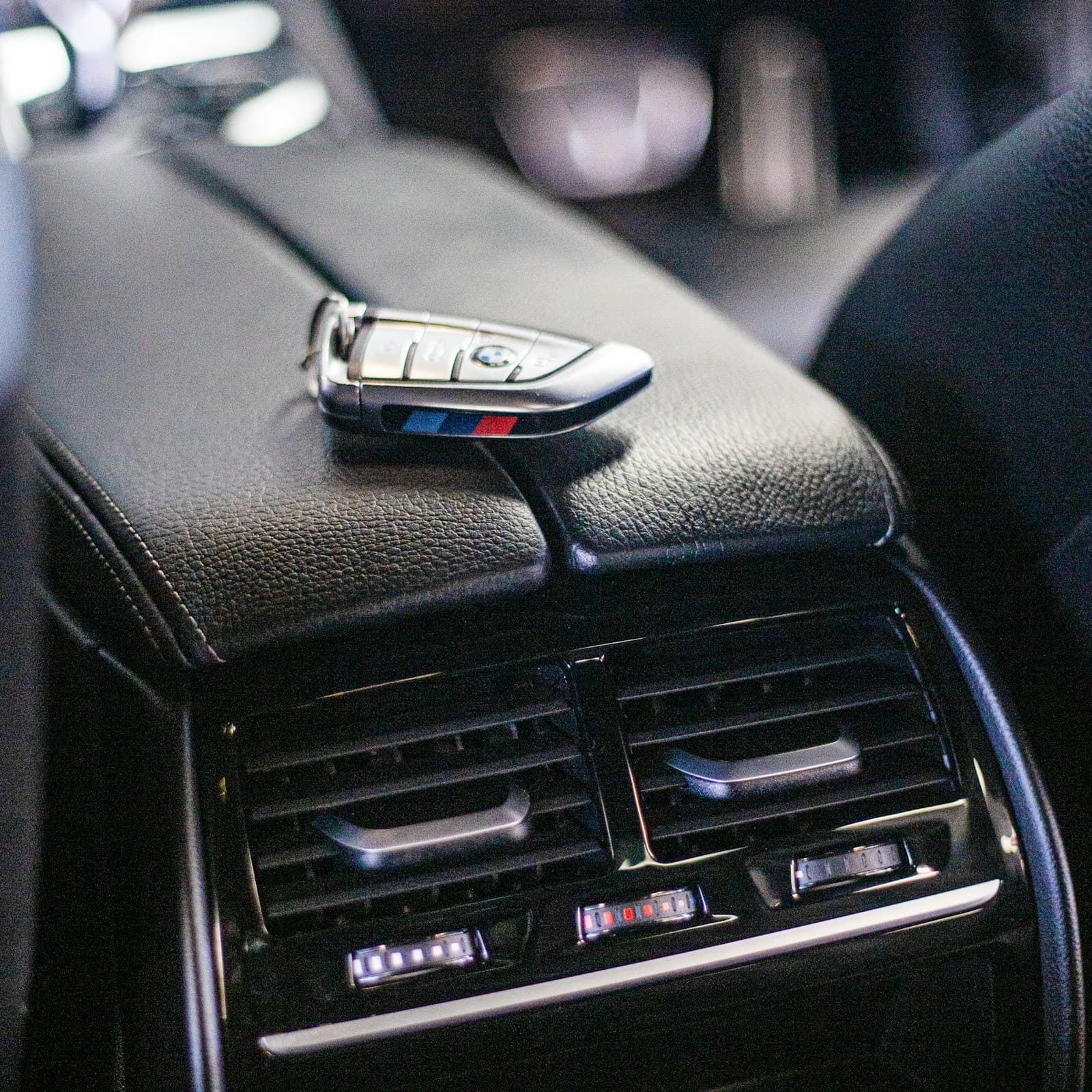
If you're insuring a luxury vehicle in retirement, you've likely noticed premiums behaving differently than they did during your working years — even with the same clean record and car.
Why Luxury Vehicle Premiums Increase Faster After Age 70
Between ages 65 and 70, most senior drivers with luxury vehicles see modest premium increases of 8–15% if their driving record remains clean, according to Insurance Information Institute data. After age 70, that trajectory changes: carriers apply steeper age-based rate adjustments, and the higher replacement costs and specialized repair requirements of luxury vehicles amplify those increases. A driver insuring a paid-off BMW 5 Series or Lexus ES who saw a $140/mo premium at age 68 might face $175–$195/mo by age 73, even with no claims filed.
The gap widens because luxury vehicle repair costs are both higher and more volatile than standard models. A minor front-end collision that costs $3,200 to repair on a Honda Accord can exceed $7,500 on a Mercedes-Benz E-Class due to specialized parts, calibration requirements for advanced driver assistance systems, and manufacturer-certified repair facilities. Insurers price this volatility into comprehensive and collision premiums, and when combined with age-based risk adjustments after 70, the compounding effect is significant.
This doesn't mean luxury vehicle ownership becomes unaffordable in retirement, but it does require a different coverage strategy than you used during your working years. The same full coverage approach that made sense at age 55 when the vehicle was financed may no longer be cost-justified at age 72 when the car is paid off and worth $18,000. Understanding how carriers calculate luxury vehicle premiums for senior drivers lets you make informed decisions about deductible levels, coverage types, and whether certain protections still align with your financial situation.
How Comprehensive and Collision Coverage Changes With Vehicle Age
Most senior drivers asking about luxury car insurance are insuring vehicles they've owned for 5–10 years, paid off completely, and maintained meticulously. The question isn't whether the car has value — it's whether full coverage premiums still make financial sense relative to actual cash value. A 2016 Audi A6 originally purchased for $58,000 might have a current market value of $16,000–$19,000, yet still carry annual comprehensive and collision premiums of $1,100–$1,400.
The cost-benefit calculation shifts when annual collision and comprehensive premiums exceed 15–18% of the vehicle's actual cash value. At that threshold, you're essentially self-insuring over a 5–6 year period even while paying for coverage. For a luxury vehicle worth $17,000, if your combined comprehensive and collision premium is $1,200/year, you'll pay the vehicle's value in premiums over roughly 14 years — but most damage claims occur well before that timeline, and total loss events are relatively rare for garaged, low-mileage vehicles driven by experienced drivers.
Before dropping collision or comprehensive coverage entirely, consider raising deductibles instead. Moving from a $500 to a $1,500 deductible on both coverages can reduce premiums by 25–35% on luxury vehicles, saving $300–$450 annually. For senior drivers with emergency savings and low annual mileage, absorbing the first $1,500 of damage in exchange for meaningful premium savings often makes more financial sense than maintaining low deductibles designed for high-mileage commuters. The key is ensuring you have liquid savings to cover the higher deductible if a claim occurs.
Compare rates from carriers that specialize in senior drivers
Mature driver discounts, low-mileage rates, and coverage reviews — see what you're actually eligible for.
Get Your Free Quote✓ Mature Driver Discounts✓ No Obligation✓ Licensed Carriers✓ All 50 States
State-Specific Senior Discounts and Mature Driver Course Requirements
Eighteen states mandate that insurers offer mature driver course discounts to drivers who complete approved defensive driving programs, but the discount structure varies significantly and affects luxury vehicle premiums differently than standard coverage. In California, the mandatory discount ranges from 5–20% and applies for three years after course completion, which translates to $84–$336 annual savings on a $1,680/year luxury vehicle policy. Florida requires a minimum 10% discount, while New York mandates 10% for three years. These aren't trivial amounts when applied to higher-premium luxury coverage.
The courses themselves are typically 4–8 hours, offered online or in-person through AARP, AAA, and state-approved providers, and cost $20–$35. Most can be completed in a single day from home. The content focuses on age-related changes in vision, reaction time, and how modern vehicle technology differs from older models — material that's directly relevant if you're driving a luxury vehicle equipped with adaptive cruise control, lane-keeping assist, or blind-spot monitoring you didn't have on previous cars.
Not all states mandate these discounts, but many carriers offer them voluntarily. If your state doesn't require it, you'll need to ask your insurer specifically whether they offer a mature driver discount, what the percentage is, and which course providers they accept. Insurance companies don't automatically apply these discounts at renewal even when you qualify — you must request them, provide proof of completion, and confirm the discount appears on your policy declaration. The average senior driver who qualifies for a mature driver discount but hasn't requested it is leaving $180–$420 per year unclaimed, according to AARP research.
Low-Mileage Programs and Telematics: Actual Savings for Retired Drivers
If you're no longer commuting and drive fewer than 7,500 miles annually, low-mileage discount programs can reduce luxury vehicle premiums by 10–25%, depending on the carrier and your actual usage. Most major insurers now offer usage-based programs that track mileage through a plug-in device or smartphone app, and unlike generic discounts, these adjust premiums based on verified data rather than self-reported estimates.
For luxury vehicles, the savings are more substantial in absolute terms because the baseline premium is higher. A 15% low-mileage discount on a standard sedan saving $120/year becomes $210/year on a luxury vehicle with a $1,680 annual premium. Programs like Nationwide SmartMiles, Metromile, or Allstate Milewise use actual odometer data or telematics to verify annual mileage, and some offer per-mile pricing models that can be particularly cost-effective for senior drivers who drive fewer than 5,000 miles per year.
Telematics programs that monitor driving behavior — hard braking, rapid acceleration, time of day — are more complex for senior drivers to evaluate. Some carriers offer initial enrollment discounts of 5–10% simply for participating, with potential additional savings of 10–30% based on driving patterns. If you drive primarily during daylight hours, avoid highways during rush hour, and have smooth driving habits, these programs can deliver meaningful savings. However, if the monitoring creates stress or the app functionality is frustrating, the 10–15% potential savings may not justify the tradeoff. You can typically try these programs for 90 days and opt out if they're not a good fit, keeping any initial enrollment discount for that period.
Medical Payments Coverage and Medicare: What Senior Drivers Actually Need
One of the most frequently misunderstood coverage decisions for senior drivers involves medical payments coverage (MedPay) and how it interacts with Medicare. MedPay covers medical expenses for you and your passengers after an accident regardless of fault, with limits typically ranging from $1,000 to $10,000. The question for Medicare-enrolled seniors is whether this coverage duplicates benefits you already have.
Medicare Part B covers injuries sustained in auto accidents, but it functions as secondary coverage if you have MedPay or personal injury protection (PIP). That means MedPay pays first, up to its limit, before Medicare processes any remaining bills. For senior drivers, a $5,000 MedPay policy that costs $60–$90/year can cover deductibles, copays, and expenses Medicare doesn't fully cover, such as ambulance transport or certain emergency room charges. It also covers passengers in your vehicle who may not have health insurance or Medicare.
In the twelve no-fault insurance states that require PIP coverage, the interaction is different. PIP provides broader first-party medical coverage and may include lost wages and essential services — benefits less relevant for retired drivers not earning employment income. Some states allow seniors to reduce PIP limits or exclude lost wage coverage, which can lower premiums by $120–$250 annually. Before adjusting PIP or MedPay, verify what your Medicare Supplement or Medicare Advantage plan covers for auto accident injuries, as some plans have specific coordination of benefits rules that affect whether additional coverage is cost-justified.
Liability Coverage: When Higher Limits Make Sense in Retirement
Many senior drivers carry the same liability limits they've held for decades — often their state's minimum requirements or 100/300/100 split limits. In retirement, particularly if you own a home, have retirement accounts, or other assets that could be targeted in a lawsuit, increasing liability coverage to 250/500/250 or adding a $1–$2 million umbrella policy becomes more important, not less.
The cost increase is typically modest: moving from 100/300/100 to 250/500/250 liability limits adds $80–$180/year for most senior drivers with clean records, even on luxury vehicles. A $1 million umbrella policy, which sits above your auto and homeowners liability limits, costs $150–$350/year and protects all assets — retirement savings, home equity, pension income — from lawsuit judgments that exceed your auto policy limits.
This isn't about age-related risk; it's about asset protection. If you're found at fault in a serious accident where multiple people are injured, medical costs can easily exceed $100,000 per person. With decades of accumulated assets and predictable retirement income, you're a more attractive lawsuit target than a 25-year-old with minimal savings. Insurers know this, which is why umbrella policies for senior drivers with clean records are competitively priced — the actual claims rate is low, but the financial protection is substantial. Most umbrella policies require underlying auto liability limits of at least 250/500, making the combined upgrade a natural decision point when reviewing coverage in retirement.





