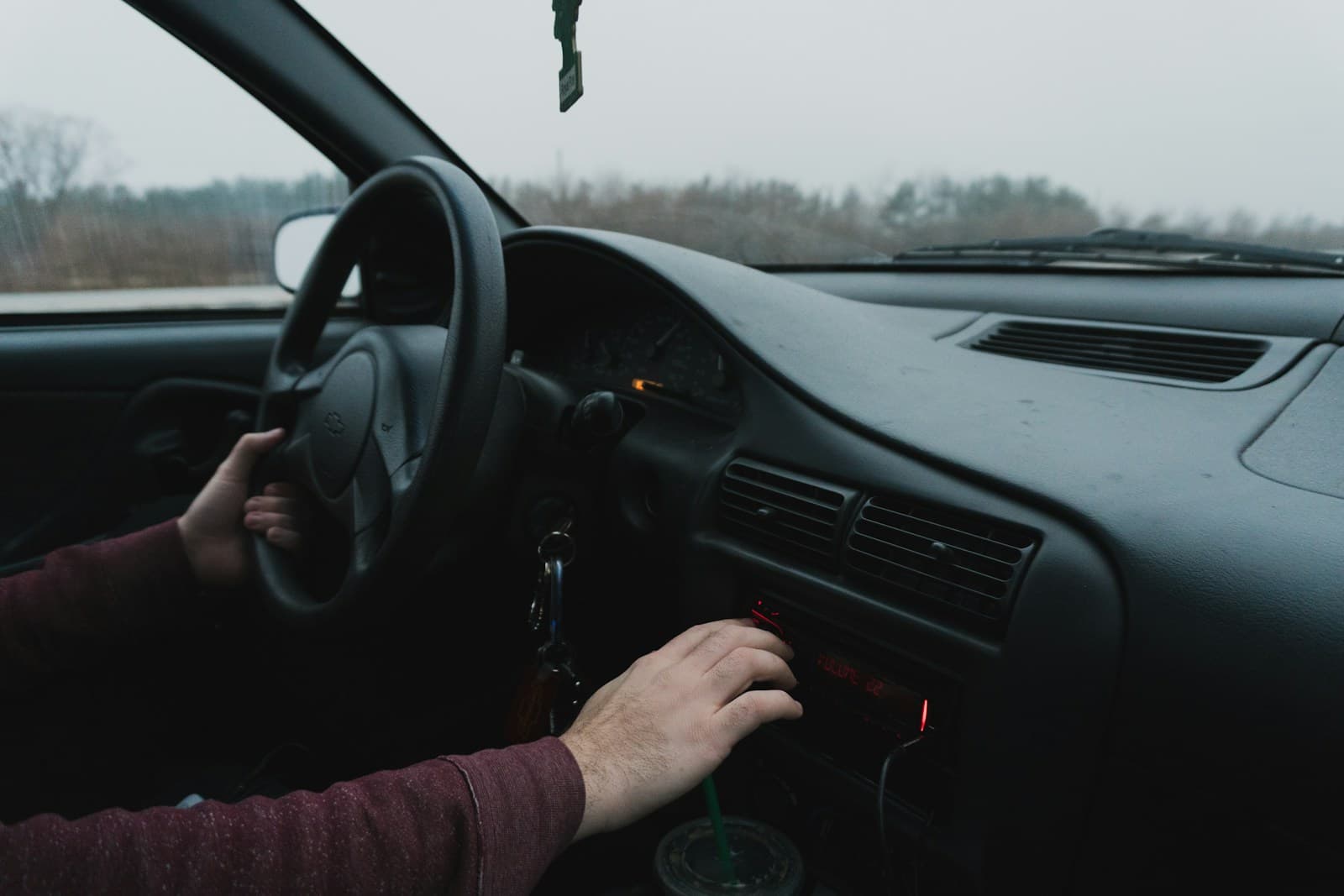
If you occasionally let a family member or friend borrow your vehicle, your auto insurance follows the car — not the driver. But permissive use coverage has age-specific limits and exclusions that can leave senior policyholders liable for uncovered claims.
How Permissive Use Coverage Works When You Lend Your Vehicle
Your auto insurance policy extends to anyone you give explicit or implied permission to drive your vehicle — this is called permissive use coverage. If your daughter visits for the weekend and borrows your car to run errands, or a friend drives you to a medical appointment in your vehicle because you're recovering from a procedure, your liability and physical damage coverage follows the car. The borrower doesn't need to be listed on your policy for coverage to apply.
The critical limitation: permissive use typically applies only to occasional, infrequent use. If someone borrows your car regularly — more than once or twice per month over several months — most insurers consider that frequent enough to require formal listing as a driver on your policy. The definition of "occasional" varies by carrier, but pattern matters more than raw frequency. A family member who borrows your car every Sunday for church is more likely to trigger a listing requirement than someone who borrows it three times in one week but then not again for months.
Permissive use does not apply to household members in most states. If an adult child lives with you full-time, they must be explicitly listed on your policy or formally excluded. Insurers consider household members to have regular access to the vehicle regardless of how often they actually drive it. This becomes relevant when adult children move back home temporarily or when you're providing long-term caregiving for a family member.
State-Specific Liability Caps That Affect Senior Drivers
Permissive use coverage is limited to the liability limits on your policy — but some states impose additional caps when an unlisted driver is behind the wheel. In California, for example, if you carry 100/300/100 liability limits, a permissive driver receives the same coverage. But in states like Florida and Michigan, insurers can apply sub-limits to permissive use claims, reducing the available coverage to the state minimum even if your policy carries higher limits. Florida's minimum is just 10/20 for bodily injury — meaning if a friend borrows your car and causes a serious accident, you could be personally liable for damages exceeding that minimal threshold.
For senior drivers on fixed incomes, this creates asset exposure. If you own your home outright and have retirement savings, those assets are at risk in a lawsuit that exceeds your permissive use coverage. A borrower who causes a multi-vehicle accident resulting in serious injuries could generate claims well into six figures. If your permissive use coverage caps at state minimums due to sub-limits, the injured parties can pursue a judgment against you as the vehicle owner.
Some states also apply "family member exclusions" more strictly than others. In New York and Pennsylvania, for example, insurers routinely deny permissive use claims involving adult children who have moved out but visit regularly, arguing the use pattern constitutes regular access rather than occasional borrowing. The denial often surfaces only after a claim is filed — not when you hand over the keys.
Compare rates from carriers that specialize in senior drivers
Mature driver discounts, low-mileage rates, and coverage reviews — see what you're actually eligible for.
Get Your Free Quote✓ Mature Driver Discounts✓ No Obligation✓ Licensed Carriers✓ All 50 States
When Adult Children Borrow Your Car: Coverage Gaps to Know
If your adult child visits occasionally and borrows your vehicle, permissive use coverage typically applies — but with important exceptions. If that adult child has been excluded from your policy by name (often done to avoid rate increases when they lived with you previously), permissive use does not apply even for occasional borrowing. Named exclusions follow the driver, not the living situation. You must formally remove the exclusion before lending the vehicle, which usually requires contacting your insurer and potentially adding them back as a listed driver.
The borrower's own insurance provides secondary coverage in most cases. If your adult child has their own auto policy on a different vehicle, their liability coverage may apply after your limits are exhausted — but only if their policy includes "drive other car" coverage, which is standard on most personal auto policies but not universal. If they don't own a vehicle and carry only non-owner insurance, that policy typically provides primary coverage when they borrow a car, and your policy becomes secondary. This stacking can provide additional protection, but the coordination of benefits can delay claims processing significantly.
One scenario creates particular risk for senior policyholders: lending your vehicle to an adult child who has a suspended or revoked license. Even if you're unaware of the suspension, most insurers will deny permissive use coverage if the borrower was legally prohibited from driving. You remain liable as the vehicle owner, but your insurance will not cover the claim. This surfaces most often with adult children who failed to disclose DUI convictions or unpaid tickets in other states.
Household Member Rules and Multi-Generational Living
Household member exclusions create the most confusion for senior drivers managing multi-generational households. If an adult child, grandchild, or elderly parent lives with you full-time, they are considered a household member and must be listed on your policy or formally excluded — permissive use does not apply. The insurer's definition of "household member" usually includes anyone residing at your address for more than 30 consecutive days or anyone who lists your address as their primary residence on a driver's license, vehicle registration, or voter registration.
Temporary visits create gray areas. If a grandchild stays with you for the summer, most insurers consider that long enough to require listing. If an adult child moves back home while recovering from surgery or a job loss, the clock starts immediately. The safer practice: notify your insurer of any household change lasting more than two weeks and ask whether the person needs to be added as a listed driver. Adding a driver increases your premium, but the increase is nearly always smaller than the out-of-pocket cost of a denied claim.
Some carriers offer "away at school" exclusions that temporarily remove college-age grandchildren from your policy if they live on campus more than 100 miles from your home and do not have regular access to your vehicle during the school year. But those exclusions typically void permissive use coverage during school breaks when the student is home. If your grandchild borrows your car during winter break, coverage may not apply unless you've temporarily re-added them to the policy for that period.
Comprehensive and Collision Coverage for Borrowed Vehicles
Permissive use applies to physical damage coverage — comprehensive and collision — as well as liability, but with similar limits. If a friend borrows your car and hits a deer, or a family member backs into a pole, your comprehensive or collision coverage pays for the damage to your vehicle minus your deductible. The borrower is not responsible for the deductible unless you have a separate agreement with them.
The risk for senior drivers: a permissive use claim counts as a claim on your policy, not the borrower's. Even if the borrower caused the accident and you were not involved, the at-fault accident appears on your claims history and will likely increase your premiums at renewal. For drivers aged 65 and older, a single at-fault claim can increase rates by 20–40% depending on the state and carrier, and the increase typically persists for three to five years. If you're lending your vehicle to someone with a poor driving record, you're absorbing their risk into your insurance profile.
One option to manage this risk: increase your deductibles on comprehensive and collision coverage to reduce premium costs, then avoid lending the vehicle to drivers you consider higher-risk. A $1,000 deductible instead of $500 saves $150–$300 annually on a typical senior driver policy. The trade-off: you'll pay more out-of-pocket if a borrower damages your vehicle, but you avoid the multi-year rate increase that follows a claim. For senior drivers with paid-off vehicles of moderate value, this can make financial sense — especially if the vehicle is worth less than $8,000 and you're considering dropping physical damage coverage entirely.
State Programs and Discounts That Offset Permissive Use Risk
If you frequently lend your vehicle to the same person, the most cost-effective solution is often to add them as a listed occasional driver rather than relying on permissive use coverage. Listed occasional drivers usually increase premiums by 10–25% depending on their age and driving record, but you avoid the coverage gaps and claim denial risk that come with permissive use. Some states mandate mature driver course discounts that can partially offset the cost of adding a driver — California, Florida, and New York require insurers to offer discounts of 5–15% for drivers who complete an approved defensive driving course, and the discount applies to the entire policy, not just the senior driver's portion.
Low-mileage programs can also reduce costs if lending your vehicle means you're driving less yourself. If you previously drove 10,000 miles annually but now drive fewer than 5,000 because a family member uses the car for errands while you're the passenger, you may qualify for a low-mileage discount of 10–20%. Programs like Allstate's Milewise or Nationwide's SmartMiles use odometer readings or telematics to verify mileage and adjust premiums accordingly. The savings can exceed the cost of adding the borrower as a listed driver.
Some carriers offer "permissive use endorsements" that extend higher liability limits to occasional drivers for an additional premium — typically $50–$150 annually. This endorsement prevents the sub-limit problem in states like Florida where permissive use coverage otherwise caps at state minimums. For senior drivers with significant home equity or retirement assets, this endorsement provides meaningful asset protection at relatively low cost.
Documenting Permission and Managing Liability Exposure
"Permissive use" requires proof that you granted permission — and that proof matters most when an insurer is looking for reasons to deny a claim. If someone takes your keys without asking, or if a borrower allows a third party to drive (a friend borrows your car, then lends it to their roommate), permissive use does not apply. Most policies define permissive use as explicit permission granted by the named insured to a specific driver for a specific trip or time period.
For senior drivers who lend vehicles to multiple family members or friends, keeping a simple log can prevent disputes. Note who borrowed the vehicle, when, and for what purpose. This doesn't need to be formal — a dated text message saying "Car is in the driveway, keys on the counter, be back by 6" establishes permission. If a claim is filed and the borrower's story doesn't match yours, the insurer may deny coverage and argue the use was unauthorized.
The liability exposure extends beyond insurance coverage. In most states, vehicle owners can be held liable for negligent entrustment — lending a vehicle to someone you know or should have known was unfit to drive safely. If you lend your car to a friend who mentions they're lightheaded from new medication, or to a grandchild you know has multiple speeding tickets, and they cause an accident, you can be personally sued for negligent entrustment even if permissive use coverage applies to the insurance claim. For senior drivers, this risk intersects with family dynamics in difficult ways — saying no to a family member who asks to borrow your car can feel harsh, but the financial and legal exposure is real.