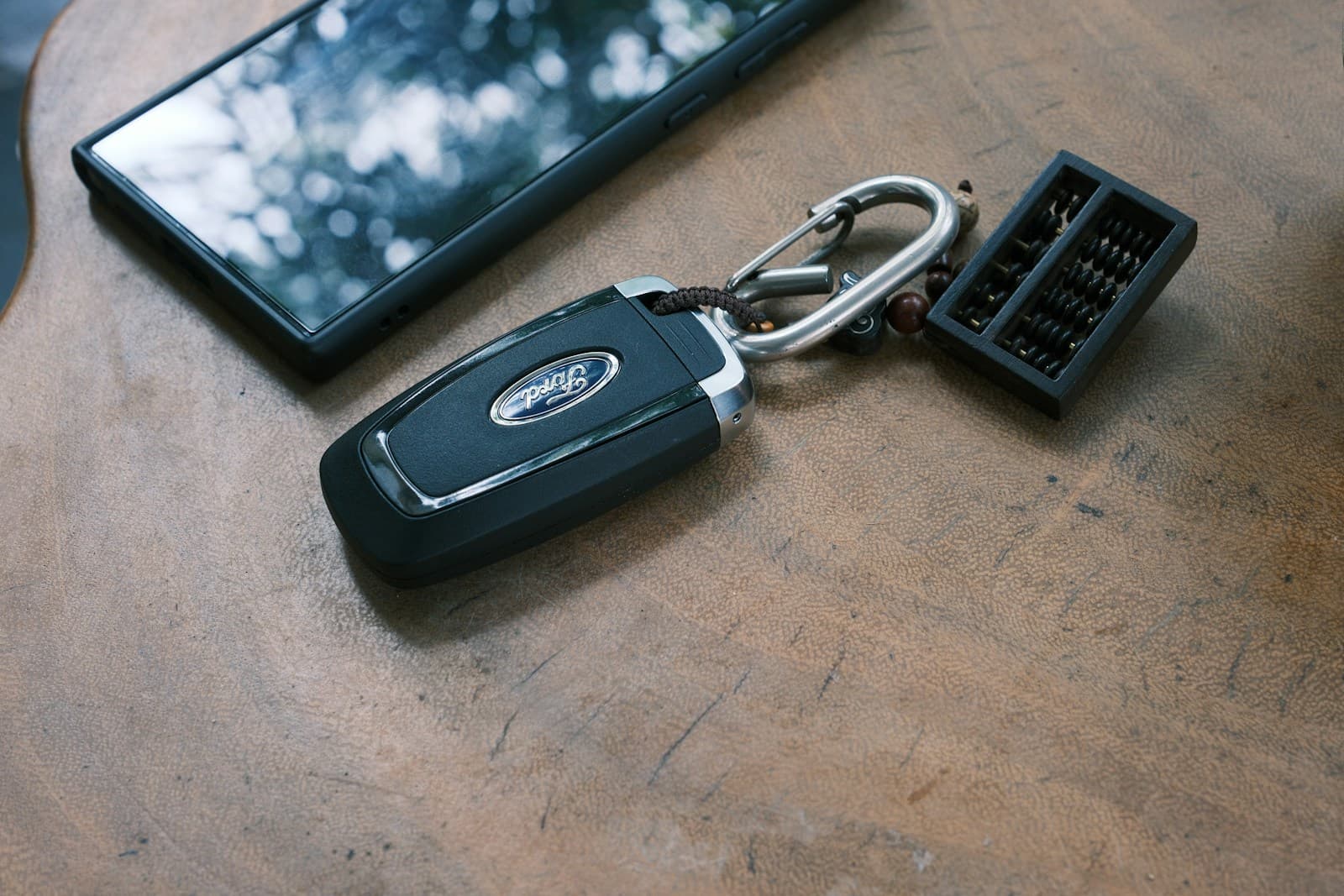
You're driving fewer miles than you did during your working years, but your premium hasn't adjusted to match. Telematics programs promise discounts based on actual driving behavior — but not all devices track what matters most for experienced drivers with already-clean records.
Why Traditional Telematics Programs Misjudge Senior Driving Behavior
Telematics devices and apps monitor driving patterns like braking force, acceleration rate, cornering speed, and time of day. The algorithms behind these programs were calibrated primarily on younger drivers, and they often penalize behaviors that experienced drivers consider safe. Gradual acceleration from a stop, maintaining longer following distances that require gentler braking, and driving exclusively during daylight hours can all score poorly in systems designed to reward aggressive confidence rather than defensive caution.
A 2023 analysis by the Insurance Information Institute found that drivers over 65 who enrolled in behavior-based telematics programs saw average discounts of 8–12%, compared to 15–23% for drivers under 40 using the same programs. The gap isn't because senior drivers are less safe — statistically, drivers 65–74 have lower crash rates per licensed driver than those aged 25–34. The difference is that the scoring models reward driving patterns more common in younger demographics.
If you already have a clean driving record and low annual mileage, a traditional telematics program may offer less benefit than combining a mature driver course discount with a low-mileage program that doesn't monitor your driving style at all. Many carriers offer 5–15% discounts for completing a state-approved defensive driving course, and low-mileage programs (typically for drivers under 7,500 miles per year) can reduce premiums by 10–20% without requiring any device installation.
Mileage-Only Telematics: A Better Fit for Drivers Who No Longer Commute
Not all usage-based insurance programs work the same way. Mileage-only telematics — sometimes called pay-per-mile insurance — tracks only the distance you drive, not how you drive. For retired drivers who no longer commute to work five days a week, this structure can deliver substantial savings without the risk of being penalized for cautious driving habits.
Programs like Metromile, Nationwide SmartMiles, and Allstate Milewise charge a base monthly rate plus a per-mile rate, typically between 3 and 10 cents per mile depending on your state and vehicle. If you're driving fewer than 8,000 miles per year — well below the national average of 12,000–14,000 miles — you can see annual savings of 20–40% compared to traditional policies. A driver who previously commuted 25 miles daily but now drives only for errands, appointments, and occasional trips might drop from 15,000 miles per year to 6,000, translating to $400–$800 in annual savings.
Mileage-only programs require verification, usually through a plug-in device or smartphone app that logs odometer readings. Unlike behavior-based telematics, these programs don't monitor acceleration, braking, or time of day. Your discount is purely a function of miles driven, making them predictable and transparent. If you know you'll drive fewer than 7,500 miles in the coming year, this approach typically outperforms behavior-based telematics for senior drivers.
Compare rates from carriers that specialize in senior drivers
Mature driver discounts, low-mileage rates, and coverage reviews — see what you're actually eligible for.
Get Your Free Quote✓ Mature Driver Discounts✓ No Obligation✓ Licensed Carriers✓ All 50 States
Guaranteed Discount Programs: Eliminating the Risk of Higher Premiums
One of the least-discussed risks of behavior-based telematics is that poor scores can result in rate increases, not just smaller discounts. While most carriers advertise telematics as "discount programs," the fine print often allows for rating adjustments based on driving patterns. For a driver with 40 years of safe driving and no recent claims, enrolling in a program that could increase your premium based on algorithm-scored braking or acceleration is a material risk.
Some carriers now offer guaranteed discount telematics programs, where your rate either stays the same or decreases — never increases — based on the monitoring period. Progressive Snapshot, for example, offers a participation discount just for enrolling (typically 5–10%), with the possibility of additional savings but no penalty for poor scores. USAA SafePilot and State Farm Drive Safe & Save have similar guaranteed structures for certain customer segments.
Before enrolling in any telematics program, confirm in writing whether your rate can increase based on monitored driving behavior. If the carrier cannot guarantee that your premium will not rise due to telematics scoring, and you already have a clean record, the program introduces financial risk without corresponding benefit. This is particularly important for senior drivers on fixed incomes, where an unexpected 10–15% premium increase midterm can strain monthly budgets.
State-Specific Senior Discounts That May Beat Telematics Savings
Many states mandate or incentivize mature driver course discounts that can equal or exceed typical telematics savings without requiring ongoing monitoring. California requires insurers to offer discounts to drivers 55 and older who complete an approved course, with discounts typically ranging from 5–15% for three years. Florida mandates a 10% discount for drivers 55+ who complete a state-approved course, renewable every three years. Illinois, New York, and Pennsylvania have similar requirements.
These mandated discounts stack with other reductions like multi-car, paid-in-full, and loyalty discounts. A driver who completes a six-hour online defensive driving course (cost: $15–$35) and qualifies for a 10% discount on a $1,400 annual premium saves $140 per year, or $420 over the three-year qualification period. That's a 400–2,800% return on the course cost, with no device installation, no ongoing monitoring, and no risk of algorithm-based penalties.
If you're considering telematics primarily to reduce costs, first confirm whether your state mandates a mature driver discount and whether you've already claimed it. In many cases, combining this discount with a low-mileage declaration (available in most states without device monitoring if you drive under 7,500 miles annually) provides 15–25% total savings without behavioral tracking. Your state's Department of Insurance website lists approved course providers and participating insurers.
When Telematics Makes Sense: Specific Scenarios for Senior Drivers
Usage-based insurance isn't universally disadvantageous for senior drivers — it works well in specific circumstances. If you drive fewer than 5,000 miles per year and your carrier offers mileage-only telematics, the savings can exceed what you'd achieve through traditional discount stacking. If you're switching carriers and the new insurer offers a substantial upfront participation discount (10% or more just for enrolling), telematics can reduce your first-year premium even if the monitored discount is modest.
Telematics can also provide value if you're helping an adult child or grandchild understand their own driving patterns. Some programs allow multiple vehicles on a single policy to participate, with individual scoring per driver. If a younger family member on your policy could benefit from behavior-based feedback, enrolling the entire policy might make sense — though you should confirm your own vehicle's score won't negatively impact your portion of the premium.
Finally, if you've recently had a claim or moving violation and your rates have increased significantly, some telematics programs offer claim-free or violation-free driving credits that can help you recover better rates faster than waiting for the standard three-to-five-year lookback period to expire. In this scenario, demonstrating currently safe driving through monitored data can sometimes offset historical rating factors, though results vary widely by carrier and state.
How to Evaluate Telematics Offers: Questions to Ask Before Enrolling
Before agreeing to install a telematics device or download a monitoring app, request written answers to these specific questions: (1) Can my rate increase based on driving behavior, or is the program discount-only with a guaranteed floor? (2) What is the participation discount I receive just for enrolling, regardless of my driving score? (3) How long is the monitoring period before my rate is adjusted, and can I opt out if I'm unsatisfied with the preliminary discount? (4) Does the program track mileage only, or does it also monitor braking, acceleration, speed, and time of day?
Also confirm how the program interacts with other discounts you currently receive. Some carriers reduce or eliminate mature driver course discounts, low-mileage discounts, or safe driver discounts when you enroll in telematics, effectively replacing multiple small discounts with a single variable one. If you're currently receiving a 10% mature driver discount, a 10% low-mileage discount, and a 5% safe driver discount (25% total), and the telematics program caps out at 20% with an average realized discount of 12%, you'd be financially worse off.
Finally, understand the data privacy implications. Telematics programs collect GPS location, time stamps, and trip details. Most carriers state they won't share this data with third parties without consent, but the data can be subpoenaed in legal proceedings. For drivers concerned about location tracking or data retention, mileage-only programs that use periodic odometer photo uploads rather than continuous GPS tracking offer a privacy-preserving middle ground.