Alaska Auto Insurance for Senior Drivers 65+

Alaska requires 50/100/25 minimum liability, but drivers 65–74 typically pay $85–$135/mo for full coverage, with mature driver course discounts of 5–10% available from most carriers. Drivers 75+ often see rates increase 15–25% compared to middle-aged drivers, though defensive driving course completion can offset part of this increase.

Compare Alaska Auto Insurance

Non-Standard Auto · SR-22 · Senior · Teen Drivers

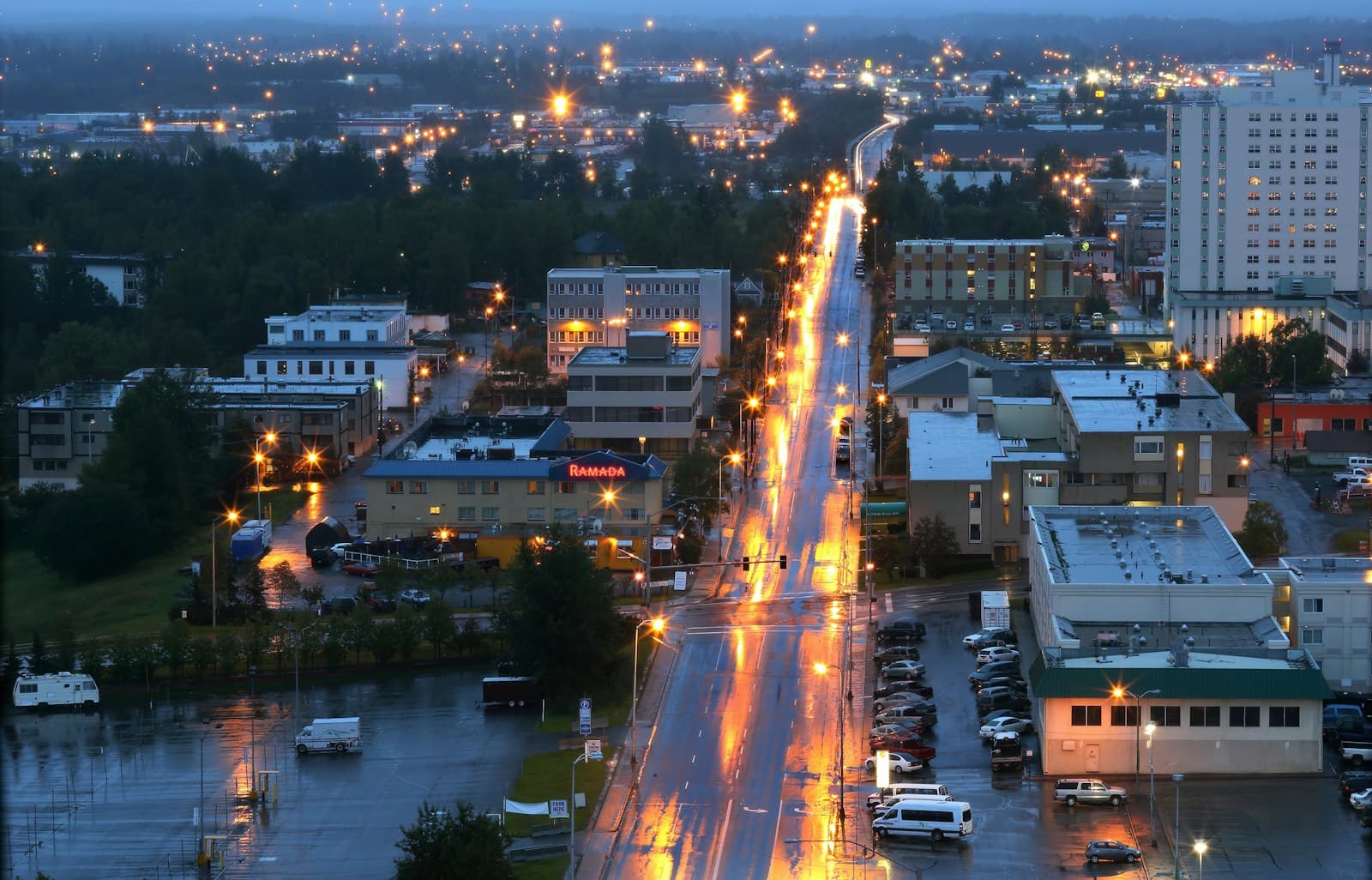
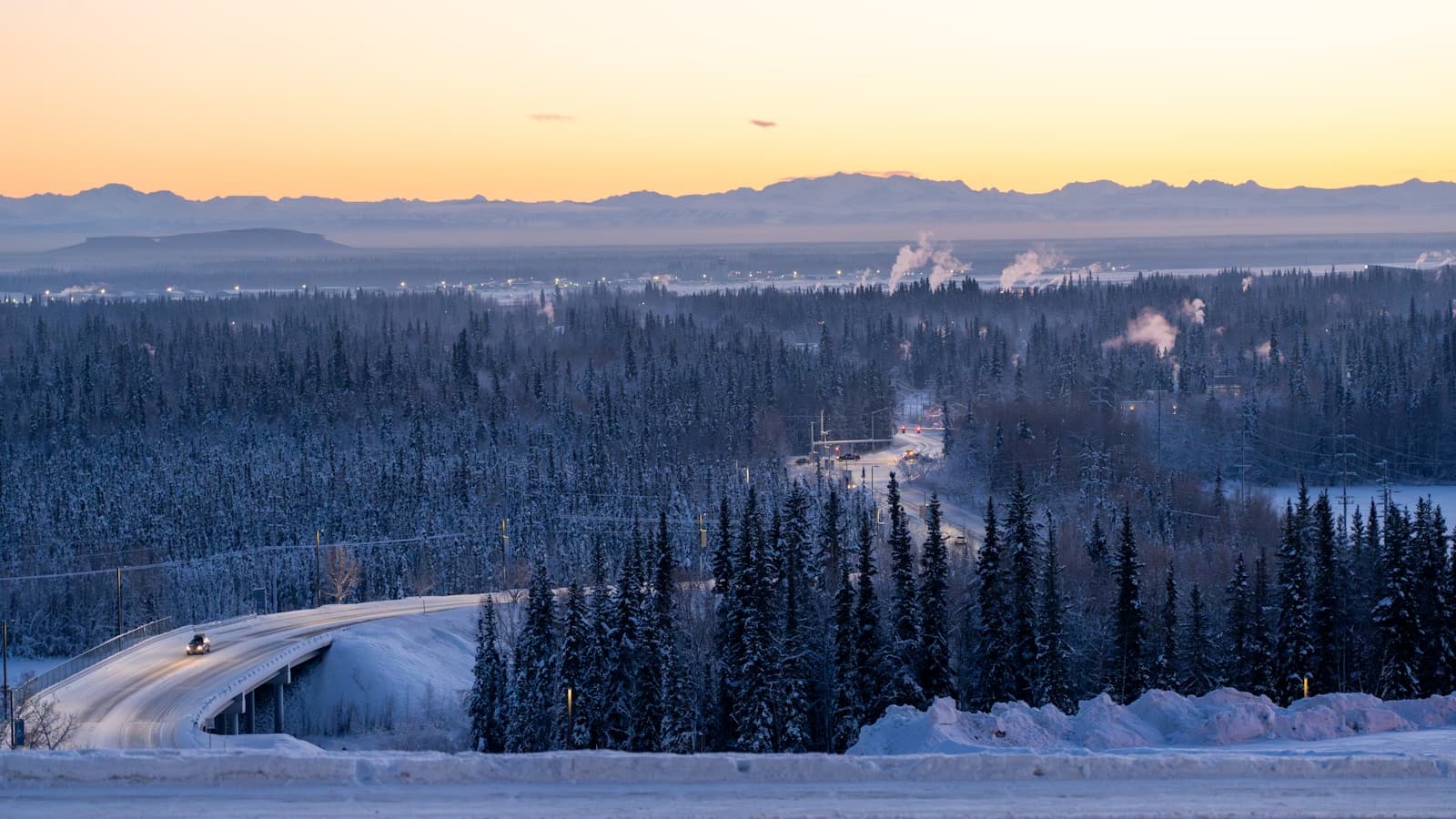
Alaska cityscape and street view
Quotes from state-licensed insurance professionals
Licensed Agents Only
Free to request, no commitment required
No Obligation
No cost to you
Free to Use
Your contact information is protected
TCPA-Compliant
Updated April 2026

Minimum Coverage Requirements in Alaska

Alaska operates under an at-fault system and requires 50/100/25 liability coverage — higher bodily injury minimums than most states. The Alaska Division of Insurance does not mandate mature driver course discounts by law, but most carriers operating in the state offer 5–10% reductions for drivers who complete an approved defensive driving course. For senior drivers on fixed incomes, understanding these minimums is essential: the state's 50/100 bodily injury requirement provides moderate protection, but may not be sufficient given Alaska's high medical costs and limited healthcare infrastructure in rural areas.
Alaska cityscape and street view
$50,000 per person / $100,000 per accident
Bodily Injury Liability
Alaska's 50/100 minimums are higher than many states, reflecting the state's elevated medical costs and geographic isolation. For senior drivers, this baseline may be insufficient: a serious accident on the Parks Highway or Seward Highway — where emergency response times can exceed 30 minutes — could result in medical bills that quickly exhaust minimum coverage. Many senior drivers with accumulated assets choose 100/300 or 250/500 limits to protect retirement savings and home equity.
$25,000 per accident
Property Damage Liability
Alaska requires $25,000 property damage coverage, which can be inadequate in a state where vehicle replacement costs run high due to shipping expenses and limited dealer inventory. Senior drivers who collide with newer trucks or SUVs — common in Alaska — may face property claims exceeding this minimum. Increasing this to $50,000 or $100,000 adds modest cost but provides meaningful protection for drivers with fixed retirement income who cannot absorb out-of-pocket liability.
Must be offered; can be rejected in writing
Uninsured Motorist Coverage
Alaska law requires insurers to offer uninsured/underinsured motorist coverage at limits equal to your liability coverage, though drivers can reject it in writing. Approximately 14% of Alaska drivers are uninsured — higher in rural areas — making this coverage especially valuable for senior drivers who may face longer recovery times and higher medical costs after an accident. Given Alaska's vast distances and limited healthcare access, UM/UIM coverage at 100/300 or higher protects against uninsured drivers on remote highways where accidents often result in serious injury.
Not required
Comprehensive Coverage
Comprehensive coverage addresses Alaska-specific risks that disproportionately affect senior drivers: moose and caribou collisions, windshield damage from gravel roads, and theft or vandalism in communities with seasonal population swings. Wildlife collisions are reported at rates 3–5 times the national average in Alaska. For senior drivers with paid-off vehicles over 10 years old, comprehensive may still be cost-justified if the vehicle's replacement value exceeds $5,000 and the driver relies on it for medical appointments or essential travel in areas with limited public transit.
Not required
Collision Coverage
Collision coverage pays for damage to your vehicle regardless of fault, critical in Alaska where icy roads, frost heaves, and seasonal darkness create hazardous driving conditions from October through April. Senior drivers who reduce winter driving or drive primarily during daylight hours may find collision coverage less cost-justified on older vehicles. A common threshold: if your vehicle is worth less than $4,000 and your annual collision premium plus deductible exceeds 50% of the vehicle's value, dropping collision and setting aside the premium savings for eventual replacement may be more economical.
State-Mandated Minimum Coverage · Alaska

Alaska Minimum Coverage

CoverageMinimum
Bodily Injury (per person)$50,000
Bodily Injury (per accident)$100,000
Property Damage$25,000

License Reinstatement Fee$100

Meeting the state minimum keeps you legal. See whether it's enough — get your Alaska quote.

Get your Alaska quote

How Much Does Car Insurance Cost in Alaska?

Auto insurance rates for senior drivers in Alaska follow a U-shaped curve: premiums typically decrease from age 25 through the early 60s, remain stable from 65–74, then increase notably after age 75. Alaska's extreme weather, wildlife collision risk, and geographic isolation create baseline costs 10–15% higher than the national average, but senior drivers who complete defensive driving courses and enroll in low-mileage programs can partially offset age-related increases.

What Affects Your Rate

  • Mature driver course completion reduces premiums by 5–10% with most Alaska carriers; courses must be approved by the state and renewed every three years to maintain the discount.
  • Low annual mileage programs can cut premiums by 10–20% for seniors driving under 7,500 miles per year — relevant for retirees who no longer commute and reduce winter driving.
  • Wildlife collision history significantly impacts comprehensive premiums; Alaska drivers file moose and caribou collision claims at 3–5 times the national rate for animal strikes.
  • Geographic location within Alaska creates rate variation of 20–30%: Anchorage and Fairbanks have lower rates than remote communities where repair costs, parts shipping, and towing distances increase claim expenses.
  • Bundling home and auto insurance typically yields 15–25% multi-policy discounts — especially valuable for senior homeowners with paid-off properties.
  • Credit-based insurance scoring affects rates in Alaska; seniors with decades of credit history and low utilization often qualify for the best tier pricing, offsetting some age-related increases.
Drivers 65–69
$85–$120/mo
This age bracket typically sees the lowest rates for senior drivers in Alaska, as decades of experience and clean driving records outweigh actuarial age factors. Drivers who complete an AARP or AAA-approved defensive driving course can secure 5–10% discounts with most carriers.
Drivers 70–74
$95–$135/mo
Rates begin to increase modestly as carriers apply age-based risk adjustments, but drivers with clean records and low annual mileage often remain below state averages. Low-mileage programs that track odometer readings or use telematics can reduce premiums by 10–20% for seniors who drive fewer than 7,500 miles annually.
Drivers 75+
$110–$165/mo
Drivers over 75 face the steepest rate increases in Alaska, typically 15–25% higher than middle-aged drivers with identical coverage and driving history. However, seniors who renew defensive driving courses every three years, bundle home and auto policies, and adjust coverage on paid-off vehicles can often bring costs back in line with the 70–74 bracket.

Compare rates from carriers that specialize in senior drivers

Mature driver discounts, low-mileage rates, and coverage reviews — see what you're actually eligible for.

Get Your Free Quote
Mature Driver Discounts No Obligation Licensed Carriers All 50 States

Get Your Free Quote in Alaska