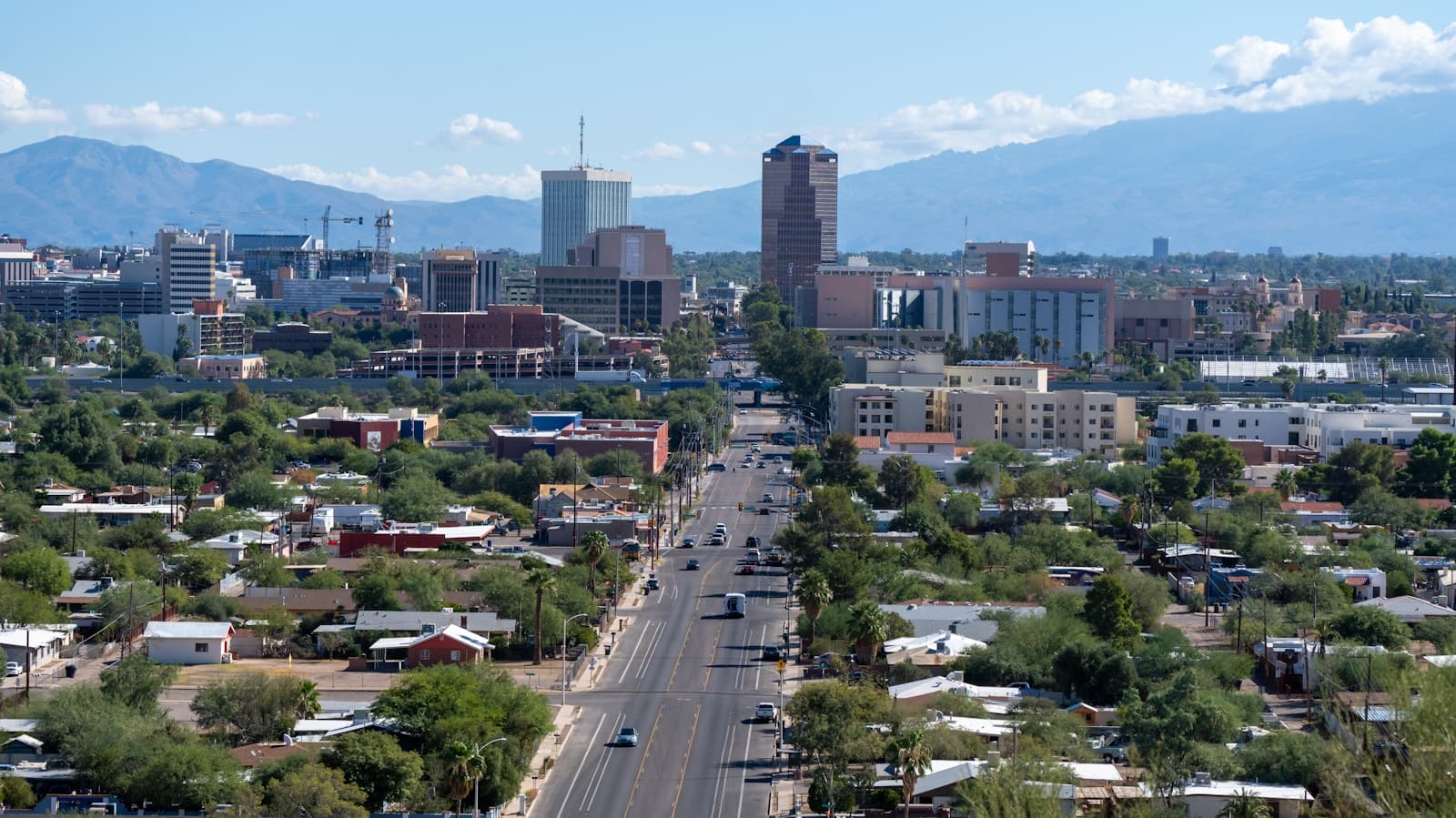
What Affects Rates in Tucson
- Tucson's major medical centers — Banner University Medical Center on Campbell, TMC on Grant, and Northwest Medical Center — are all within 20 minutes of most residential areas. Senior drivers maintaining regular specialist appointments typically drive 3,000–6,000 miles annually, well below state averages, making low-mileage programs particularly valuable. The concentration of medical facilities in central corridors reduces the need for long highway trips that increase risk exposure.
- Tucson's July–September monsoon season brings sudden flash flooding on surface streets and reduced visibility that affects daytime driving differently than evening commutes. Senior drivers who can avoid late-afternoon storm hours (typically 3–7 PM) reduce comprehensive claims risk, but many insurers don't adjust rates for seasonal driving patterns. Comprehensive coverage remains cost-justified even on paid-off vehicles due to hail damage risk in exposed parking areas, particularly in neighborhoods without covered carports.
- Senior drivers in central Tucson neighborhoods (University, Sam Hughes, Jefferson Park) average 15–25% lower premiums than those in expanding suburban areas like Marana or Vail due to shorter trip distances and proximity to services. The tradeoff is higher uninsured motorist claims frequency along high-traffic corridors like Speedway and Broadway. Drivers in Catalina Foothills and Oro Valley pay moderate premiums despite longer distances because of lower density and older driver demographics in those communities.
- Tucson's Sun Tran bus system offers limited coverage compared to larger urban markets, with most routes concentrated along major east-west corridors and reduced weekend service. Senior drivers cannot realistically eliminate vehicle ownership even with reduced mileage, meaning liability-only strategies that work in transit-rich cities are less viable here. However, maintaining a vehicle for essential trips only (medical, shopping 1–2 times weekly) creates strong justification for usage-based insurance programs that reward actual mileage.
- Many Tucson senior drivers reduce usage dramatically during summer months (June–August) when temperatures exceed 100°F regularly, concentrating driving in cooler months when part-time residents and snowbirds increase local traffic volume. Some carriers offer seasonal adjustment policies, but most require year-round coverage even if the vehicle sits unused for weeks. Comprehensive coverage protects against sun damage to paint and interiors during extended non-use periods in Tucson's intense UV environment.

Compare rates from carriers that specialize in senior drivers
Mature driver discounts, low-mileage rates, and coverage reviews — see what you're actually eligible for.
Get Your Free QuoteCoverage Recommendations
Cost estimates are based on available industry data and vary by driver profile. These are not insurance quotes.
Liability Insurance
Tucson's high uninsured driver rate (estimated 12–14%) along major corridors like Speedway and 22nd Street increases risk for at-fault claims against underinsured motorists.
$45–$75/monthEstimated range only. Not a quote.
Comprehensive Coverage
Monsoon hail and UV paint damage make comprehensive coverage cost-justified even on paid-off vehicles in Tucson's intense sun and seasonal storm environment.
$25–$50/monthEstimated range only. Not a quote.
Uninsured Motorist Coverage
Tucson's uninsured driver concentration on high-volume routes like Oracle Road and Broadway makes this coverage particularly valuable for seniors on fixed incomes who cannot absorb repair costs.
$15–$30/monthEstimated range only. Not a quote.
Medical Payments Coverage
With multiple Tucson hospitals offering specialized senior care, MedPay bridges the gap between accident scene treatment and Medicare processing for ambulance and emergency room visits.
$8–$18/monthEstimated range only. Not a quote.
Collision Coverage
Re-evaluate collision coverage on vehicles over 10 years old or valued under $4,000; many Tucson seniors find liability-plus-comprehensive more cost-effective for low-mileage driving.
$35–$80/monthEstimated range only. Not a quote.