What Affects Rates in San Jose
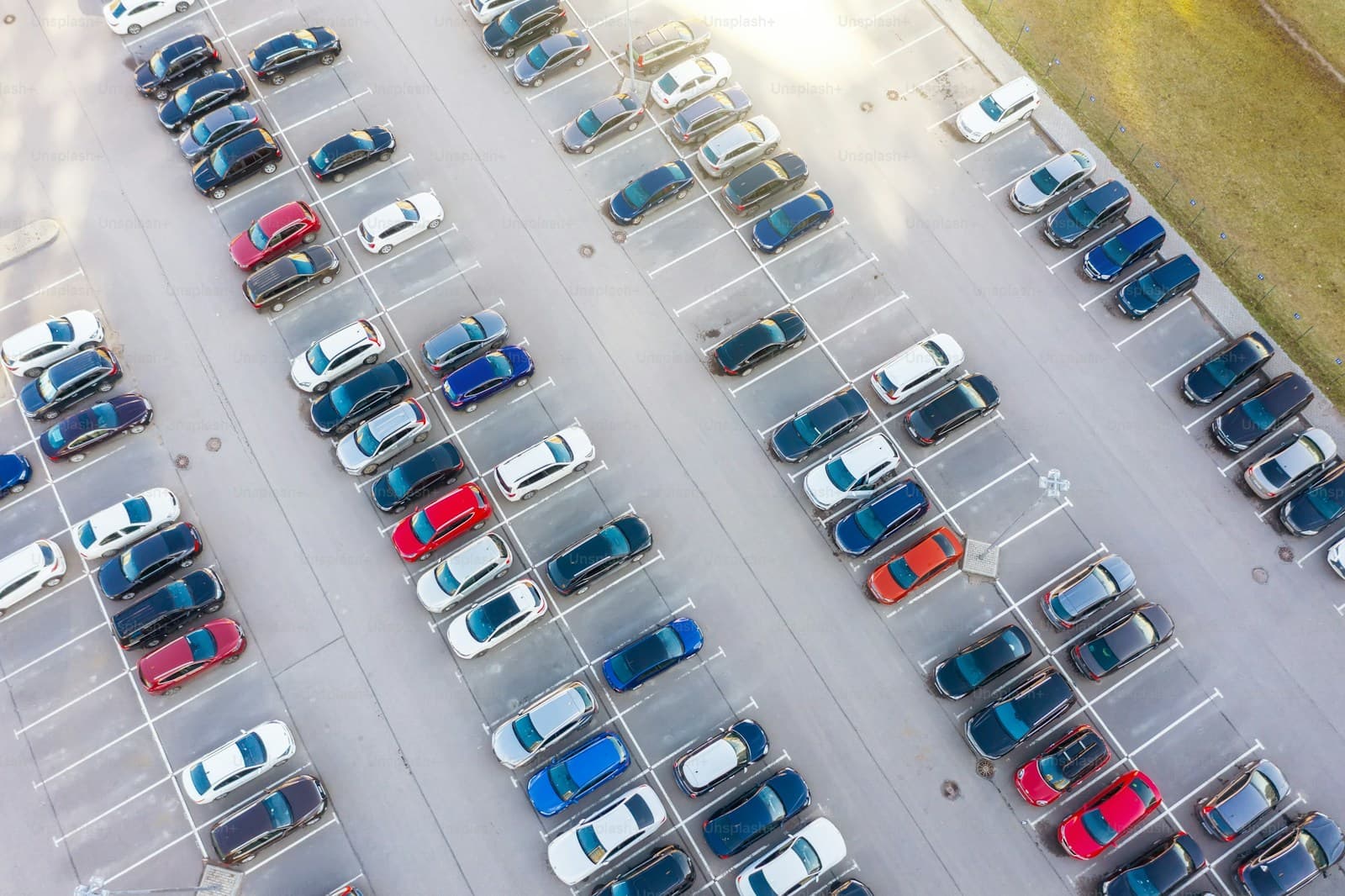
- Downtown San Jose, Santana Row, and Westfield Valley Fair involve multi-level parking structures and tight lot configurations that increase minor collision frequency. Comprehensive coverage addresses parking lot incidents, but if you primarily park at home in Willow Glen or Evergreen and make occasional trips, the cost-benefit calculation shifts. Many carriers now offer usage-based programs that reward seniors who avoid peak-hour garage parking.
- Even retired drivers often use Highway 101 through central San Jose or Highway 280 to reach medical appointments at Stanford or Kaiser facilities. The 101/880 interchange and Stevens Creek Boulevard on-ramps see stop-and-go patterns throughout midday, not just traditional commute hours. Liability limits matter more in multi-car scenarios common on these corridors, and uninsured motorist coverage addresses the reality that roughly one in six California drivers lacks insurance.
- San Jose supports 15 major medical centers including Valley Medical Center, Good Samaritan, Regional Medical Center, and O'Connor Hospital distributed across the city. Shorter distances to trauma care can influence medical payments coverage decisions — if you already carry Medicare and a supplement, duplicative medical payments coverage may not be cost-justified. Conversely, Personal Injury Protection can cover immediate costs before Medicare processes claims.
- Theft and collision claim frequency differ substantially between neighborhoods. Cambrian Park and Rose Garden show lower incident rates than areas near the 101/87 junction or East San Jose along King Road. If you've lived in the same home for decades, your zip code directly affects your premium — seniors in 95125 or 95124 often see lower base rates than those in 95122 or 95116, even with identical driving records.
- Retired San Jose drivers often log 5,000–7,000 miles annually instead of the California average near 12,000. Carriers including Metromile, Nationwide SmartMiles, and telematics programs from Allstate and Progressive can reduce premiums by 20–40% if you drive under 8,000 miles per year. If your primary trips are medical appointments, grocery runs to Lunardi's or Nob Hill, and weekend visits to grandchildren, usage-based pricing typically delivers measurable savings.
Compare rates from carriers that specialize in senior drivers
Mature driver discounts, low-mileage rates, and coverage reviews — see what you're actually eligible for.
Get Your Free QuoteCoverage Recommendations
Cost estimates are based on available industry data and vary by driver profile. These are not insurance quotes.
Liability Insurance
San Jose's dense traffic on El Camino Real and Almaden Expressway creates multi-vehicle scenarios where minimum limits exhaust quickly in serious collisions.
$65–$95/month for 100/300/100Estimated range only. Not a quote.
Comprehensive Coverage
Urban parking at Santana Row or downtown structures increases door ding and minor theft risk, but if your vehicle is over 10 years old and paid off, comprehensive may cost more annually than your vehicle's actual cash value depreciation.
$30–$55/month depending on vehicle ageEstimated range only. Not a quote.
Uninsured Motorist Coverage
Roughly one in six California drivers lacks insurance; in San Jose's urban core and along the 101 corridor, uninsured motorist coverage fills the gap when the at-fault driver cannot pay.
$20–$40/monthEstimated range only. Not a quote.
Collision Coverage
If you drive a paid-off 2012 sedan worth $6,000 and carry a $1,000 deductible, collision coverage costing $600 annually may not be cost-justified compared to self-insuring minor repairs.
$45–$75/month with $500–$1,000 deductibleEstimated range only. Not a quote.
Medical Payments Coverage
Most San Jose seniors carry Medicare Part B, which covers accident-related injuries; medical payments coverage can bridge the gap before Medicare processes claims, but evaluate whether this duplicates your existing health coverage.
$8–$15/month for $5,000 limitsEstimated range only. Not a quote.