What Affects Rates in Aurora
- Many Aurora seniors live east of I-225 in neighborhoods like Saddle Rock, Tollgate Crossing, and Southlands, where accessing healthcare, shopping, and family often requires highway use. E-470 provides high-speed connections but sees weather-related incidents during winter months, particularly black ice events that affect morning medical appointments. Collision coverage remains cost-justified for seniors who regularly use these corridors, even on paid-off vehicles, due to the severity and frequency of multi-car incidents during snow events.
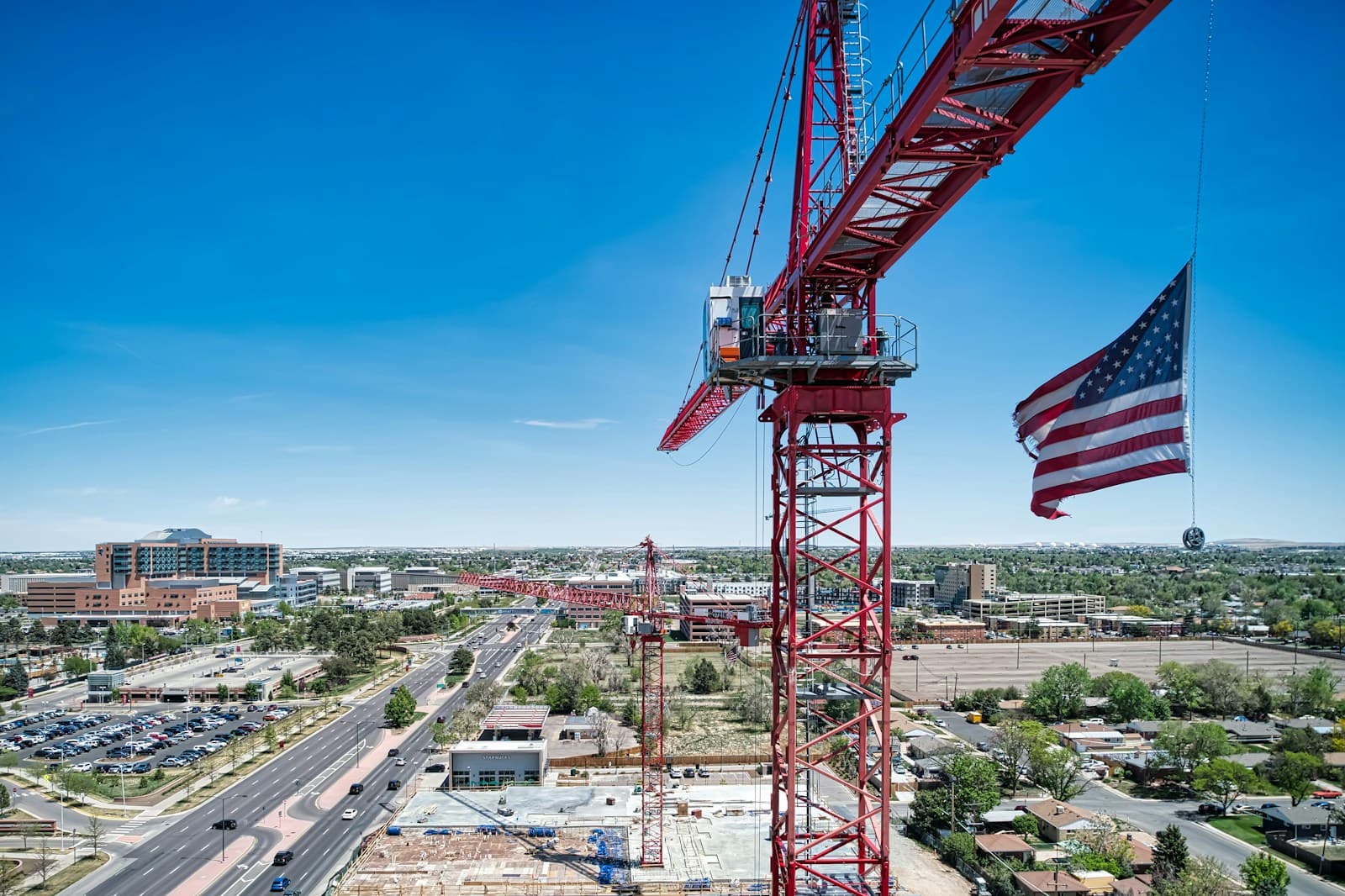
- The University of Colorado Hospital, Medical Center of Aurora, and Children's Hospital Colorado create a triangle of Level I and Level II trauma centers clustered near the Anschutz Medical Campus and along I-225. Seniors living within a 10-minute drive of these facilities in neighborhoods like Fitzsimons, Dayton Triangle, and Hoffman Heights benefit from faster emergency response, which insurers recognize in their risk models. This geographic advantage can offset age-based rate increases for drivers in North Aurora zip codes 80010, 80011, and 80045.
- Aurora sits on the high plains east of Denver, exposing eastern neighborhoods to more direct hail strikes and higher wind speeds during spring and summer storm season. Comprehensive coverage on any vehicle parked outdoors is typically cost-justified here, regardless of vehicle age — a single hail event in Southlands or The Wheatlands can cause $3,000–$8,000 in damage. Seniors who garage their vehicles nightly in covered parking see measurably lower comprehensive premiums than those with carport or street parking in the same zip code.
- Aurora's suburban design means most seniors continue driving 4,000–8,000 miles annually for medical appointments, grocery shopping at King Soopers and Safeway locations, and family visits, well below the metro average of 12,000 miles. Snapshot, Drivewise, and SmartRide programs can reduce premiums 15–25% for Aurora seniors who no longer commute to Denver but maintain independent mobility. Telematics programs work particularly well for drivers who avoid peak-hour E-470 and I-225 traffic, as insurers reward both low mileage and off-peak driving patterns.
- The R Line light rail serves the Anschutz Medical Campus and runs through central Aurora, but most residential neighborhoods east of Havana Street and south of Mississippi Avenue have limited fixed-route bus service. Unlike Denver seniors who can reduce vehicle dependency using frequent transit, most Aurora seniors maintain a primary vehicle for independence, making liability and uninsured motorist coverage essential even for drivers considering reduced coverage on aging vehicles. The lack of walkable alternatives means Aurora seniors drive more frequently than urban-core peers, which sustains insurance necessity but creates opportunities for mature driver course discounts to offset costs.
Compare rates from carriers that specialize in senior drivers
Mature driver discounts, low-mileage rates, and coverage reviews — see what you're actually eligible for.
Get Your Free QuoteCoverage Recommendations
Cost estimates are based on available industry data and vary by driver profile. These are not insurance quotes.
Liability Insurance
Aurora's mix of E-470 commuters and residential traffic means higher limits (100/300/100) are recommended for seniors with home equity or retirement assets to protect in a multi-vehicle highway incident.
$45–$75/monthEstimated range only. Not a quote.
Comprehensive Coverage
Aurora's high plains location brings severe hail exposure from April through August, making comprehensive essential even on older paid-off vehicles parked outdoors in Saddle Rock, Southlands, or Heather Gardens neighborhoods.
$25–$55/monthEstimated range only. Not a quote.
Collision Coverage
For seniors who regularly use I-225 or E-470 to reach medical appointments at Anschutz or visit family in Denver, collision coverage remains cost-justified even on vehicles over 10 years old due to winter black ice incidents.
$35–$70/monthEstimated range only. Not a quote.
Uninsured Motorist Coverage
Aurora's uninsured driver rate runs above the state average in certain zip codes, particularly along Colfax Avenue and in older neighborhoods near Fitzsimons, making UM/UIM coverage at your liability limits a practical choice for fixed-income seniors.
$15–$30/monthEstimated range only. Not a quote.
Medical Payments Coverage
While Medicare covers most healthcare costs, MedPay bridges the gap for ambulance transport to UCHealth or Medical Center of Aurora and emergency room copays before Medicare processes claims, typically worthwhile at $5,000–$10,000 limits.
$8–$18/monthEstimated range only. Not a quote.