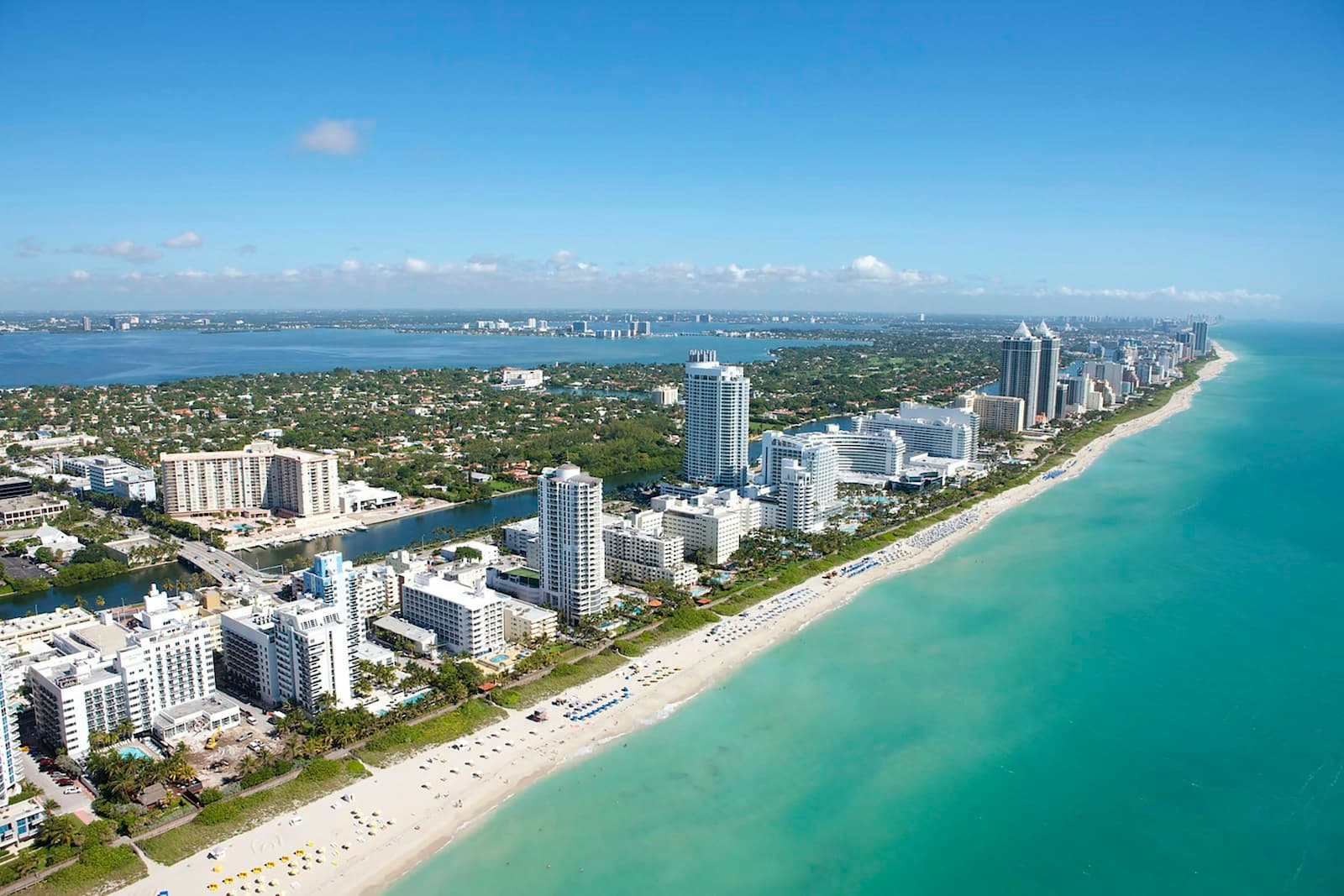
What Affects Rates in Miami
- Miami-Dade County consistently reports one of the highest uninsured driver rates in Florida, with more than one in four drivers operating without coverage. For senior drivers on fixed incomes who cannot afford significant out-of-pocket repair or medical costs after a collision, carrying uninsured motorist coverage at limits matching your liability — typically 100/300 — provides essential protection that liability-only policies omit. This coverage becomes cost-justified in Miami in ways it may not be in lower-risk Florida counties.
- Navigating the I-95 corridor through downtown, the merge patterns on the Palmetto Expressway (SR 826), and the congestion on US-1 through Coral Gables and Pinecrest requires constant attention even for drivers with decades of experience. Insurers price collision coverage higher in Miami than in suburban Broward or Palm Beach counties due to accident frequency on these corridors, and seniors who limit driving to surface streets during off-peak hours may qualify for usage-based discounts that reflect actual lower risk exposure.
- Comprehensive coverage in Miami costs more than the state average because of recurrent flooding in low-elevation neighborhoods — Miami Beach, Shorecrest, and parts of Little Havana see street flooding during king tides and heavy summer storms. Seniors with paid-off vehicles should weigh the actual cash value of their car against the annual cost of comprehensive coverage; a 2015 sedan worth $6,000 with a $1,000 deductible and $850/year in comprehensive premiums may not justify continued coverage, but a vehicle parked in a flood-prone zone may.
- Miami's concentration of major medical centers — Jackson Memorial, Baptist Health South Miami, Mount Sinai Medical Center, and Mercy Hospital among others — means emergency response times are generally short in urban core areas, but Personal Injury Protection (PIP) remains Florida's required first-payer coverage regardless of Medicare eligibility. Seniors should understand that PIP covers initial medical costs and lost wages after an accident before Medicare applies, and the standard $10,000 minimum may be insufficient for accident-related care that exceeds PIP limits but hasn't yet met Medicare thresholds.
- Seniors who no longer commute and drive primarily for errands, medical appointments, and social activities average significantly fewer miles than working-age drivers — often under 7,500 miles annually in Miami. Telematics programs from carriers like Nationwide (SmartMiles), Metromile, and others that charge based on actual miles driven can reduce premiums by 20–40% compared to standard policies, making them particularly valuable for Miami seniors who use their vehicle infrequently but need to maintain registration and coverage.
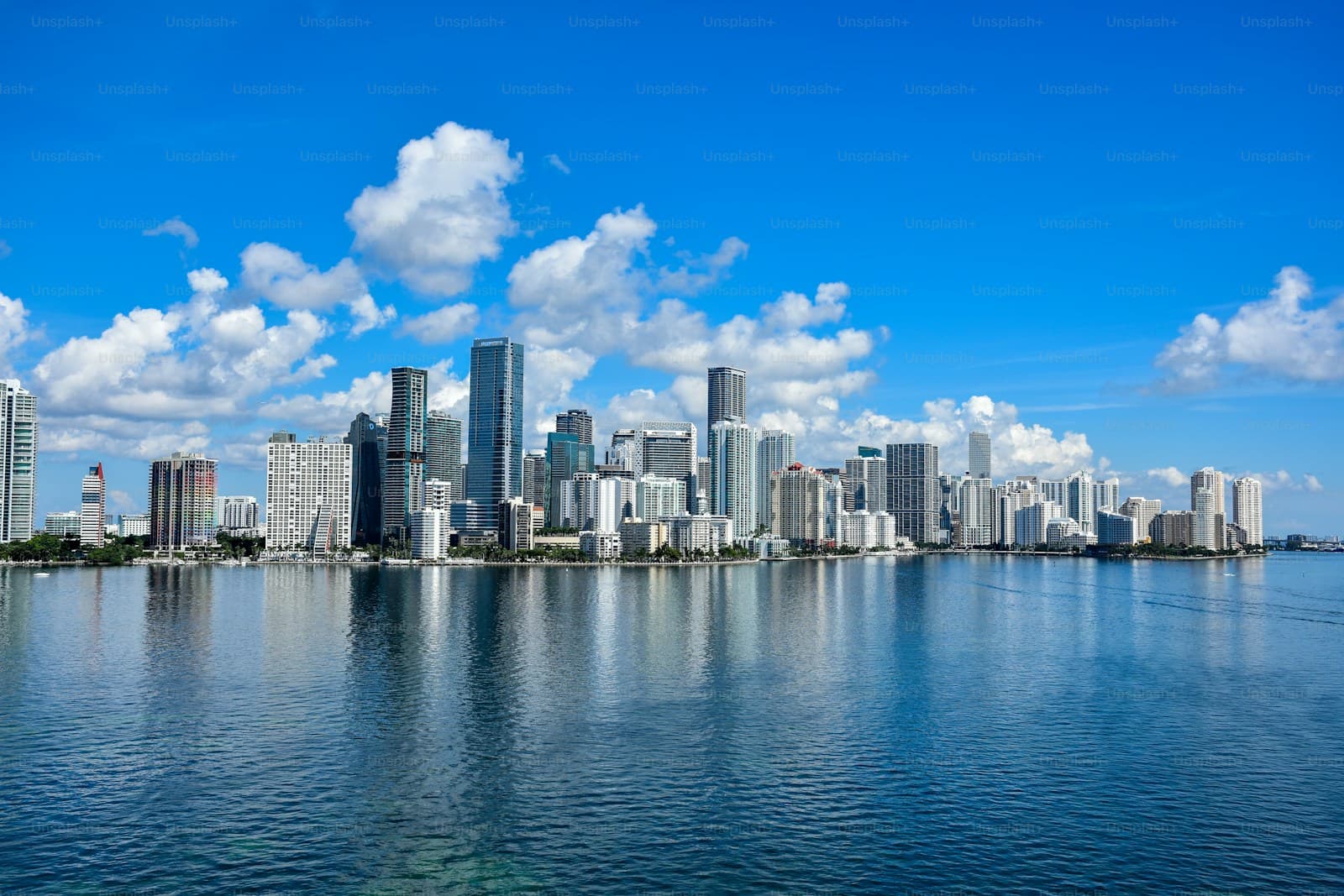
Compare rates from carriers that specialize in senior drivers
Mature driver discounts, low-mileage rates, and coverage reviews — see what you're actually eligible for.
Get Your Free QuoteCoverage Recommendations
Cost estimates are based on available industry data and vary by driver profile. These are not insurance quotes.
Liability Insurance
Miami's congested expressways and high pedestrian activity in areas like Brickell and Wynwood increase liability exposure; 100/300/100 limits provide more realistic protection.
$65–$95/monthEstimated range only. Not a quote.
Uninsured Motorist Coverage
With more than 26% of Miami-Dade drivers uninsured, this coverage protects you from out-of-pocket costs that liability-only policies leave exposed.
$30–$50/monthEstimated range only. Not a quote.
Comprehensive Coverage
Flood risk in Miami Beach, Coral Gables, and other low-lying areas makes comprehensive coverage more expensive here, but it's essential if your vehicle is financed or worth more than $8,000.
$40–$70/monthEstimated range only. Not a quote.
Personal Injury Protection (PIP)
PIP applies before Medicare in Florida; seniors involved in accidents on I-95 or Biscayne Boulevard will rely on PIP for initial treatment costs even with Medicare coverage.
$25–$45/monthEstimated range only. Not a quote.
Collision Coverage
High accident frequency on the Palmetto Expressway and US-1 makes collision coverage costly in Miami, but may not be justified on a paid-off vehicle worth under $5,000.
$50–$80/monthEstimated range only. Not a quote.