What Affects Rates in Brockton
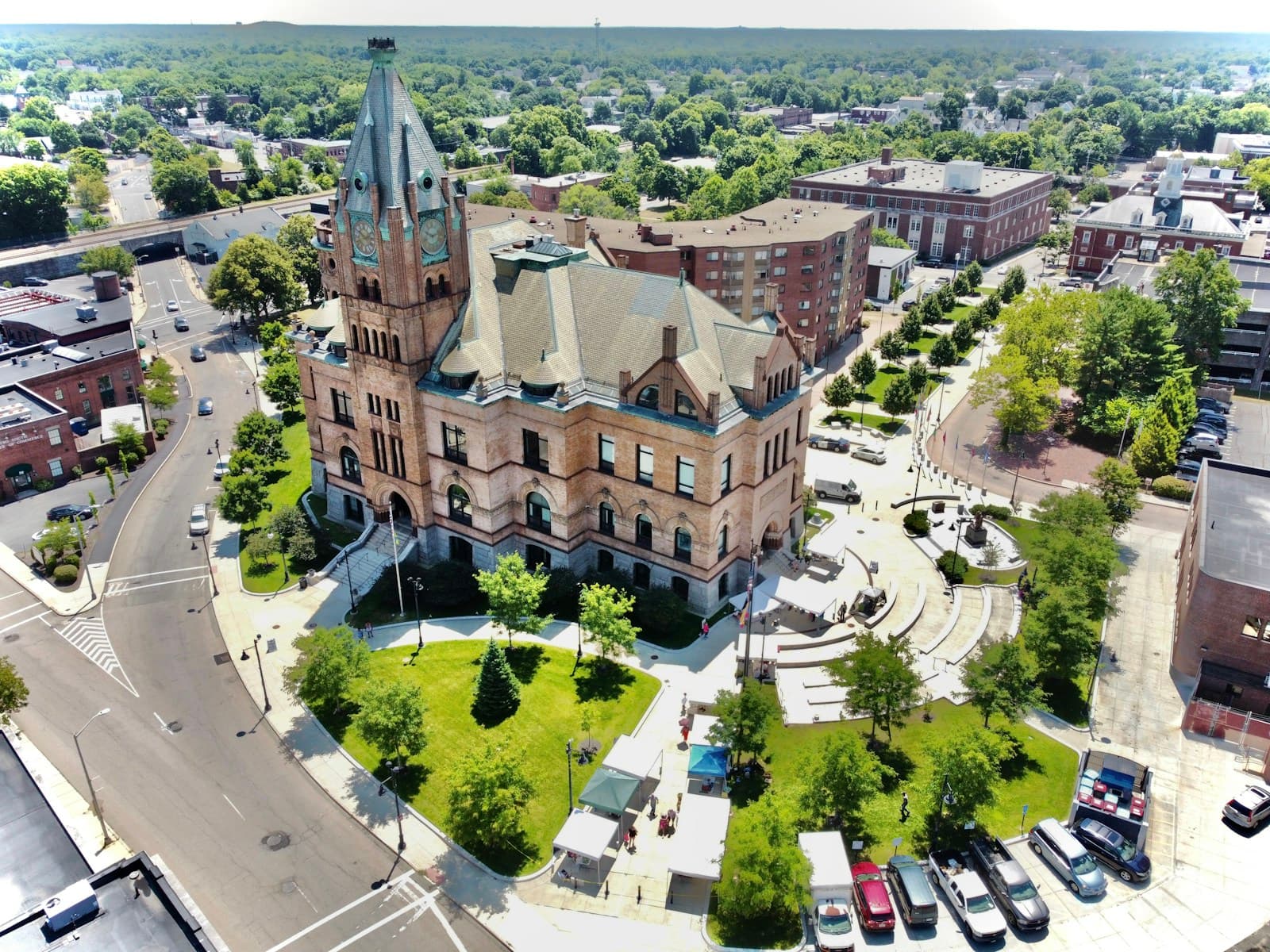
- The downtown commercial district along Main Street and Centre Street experiences heavy pedestrian traffic, delivery vehicles, and bus route activity throughout the day. Senior drivers who primarily navigate these corridors face different risk profiles than those in the suburban edges near Campello or Montello—congested urban intersections generate more frequent low-speed incidents, which affects whether collision coverage remains cost-justified on an older paid-off vehicle. If you've reduced your downtown driving to once or twice weekly, inform your insurer—some carriers adjust rates based on specific route patterns, not just total annual mileage.
- Many Brockton seniors use Route 24 for medical appointments in Boston or family visits to the South Shore, but highway driving represents a fraction of total mileage for most retired residents. If you no longer commute on Route 24 daily and primarily use surface streets for local errands, you may qualify for reduced rates—several carriers in the Brockton market offer specific discounts for drivers who log fewer than 25 highway miles weekly. Document your actual driving patterns; the difference between 8,000 annual miles (mostly local) and 12,000 miles (including regular highway trips) can shift your premium $20–$35/month.
- Brockton's urban street grid means limited off-street parking in older neighborhoods near downtown—street parking during winter months increases minor collision and comprehensive claims for ice damage, shopping cart contact, and plow strikes. Senior drivers with garage access in areas like Campello or East Brockton typically see 8–12% lower comprehensive premiums than those parking on-street in the Ward Two or downtown areas. If you've switched to winter ride-sharing or reduced cold-weather driving, ask about seasonal mileage adjustments—some carriers will modify coverage during December through March if you document reduced use.
- Signature Healthcare Brockton Hospital on Pleasant Street and Good Samaritan Medical Center provide closer emergency response than many Massachusetts cities of similar size, which can influence medical payments coverage decisions for senior drivers. Massachusetts requires Personal Injury Protection, but if you have Medicare and a Medicare Supplement plan, you're paying for overlapping coverage—PIP pays first after an accident, but many Brockton seniors carry higher PIP limits than necessary given their existing health coverage. Review whether you need more than the minimum $8,000 PIP; the proximity of trauma-capable facilities means transport times are under 10 minutes from most Brockton neighborhoods.
- The Brockton Area Transit (BAT) system serves most residential areas and connects to the MBTA Commuter Rail at Brockton Station, giving senior drivers a viable alternative for reducing vehicle dependence. If you've shifted to using BAT for routine errands and only drive for specific purposes, usage-based insurance programs can capture that reduced risk—telematics devices track actual miles and driving patterns, and several carriers active in Brockton offer programs where seniors averaging under 6,000 annual miles see reductions of $30–$50/month compared to standard rating. This matters more in Brockton than in rural Massachusetts towns where no transit alternative exists.
Compare rates from carriers that specialize in senior drivers
Mature driver discounts, low-mileage rates, and coverage reviews — see what you're actually eligible for.
Get Your Free QuoteCoverage Recommendations
Cost estimates are based on available industry data and vary by driver profile. These are not insurance quotes.
Liability Coverage
Brockton's pedestrian-heavy downtown corridors and Main Street bus routes increase third-party injury exposure beyond what minimum limits cover.
$65–$95/monthEstimated range only. Not a quote.
Collision Coverage
Street parking in Ward Two and downtown Brockton increases minor collision frequency—calculate whether your deductible and annual premium justify coverage on an older vehicle.
$45–$80/monthEstimated range only. Not a quote.
Comprehensive Coverage
Urban parking in Brockton creates exposure to vandalism and winter plow damage that comprehensive addresses, typically for $15–$30/month even on modest-value vehicles.
$20–$40/monthEstimated range only. Not a quote.
Uninsured Motorist Coverage
Brockton's uninsured motorist rate runs slightly above the state average in some ZIP codes, making UM coverage particularly valuable for senior drivers on fixed incomes who cannot absorb uncovered medical costs.
$15–$30/monthEstimated range only. Not a quote.
Personal Injury Protection
Given proximity to Signature Healthcare Brockton Hospital and Good Samaritan, most seniors need only minimum PIP—higher limits duplicate Medicare coverage you already carry.
$25–$45/monthEstimated range only. Not a quote.