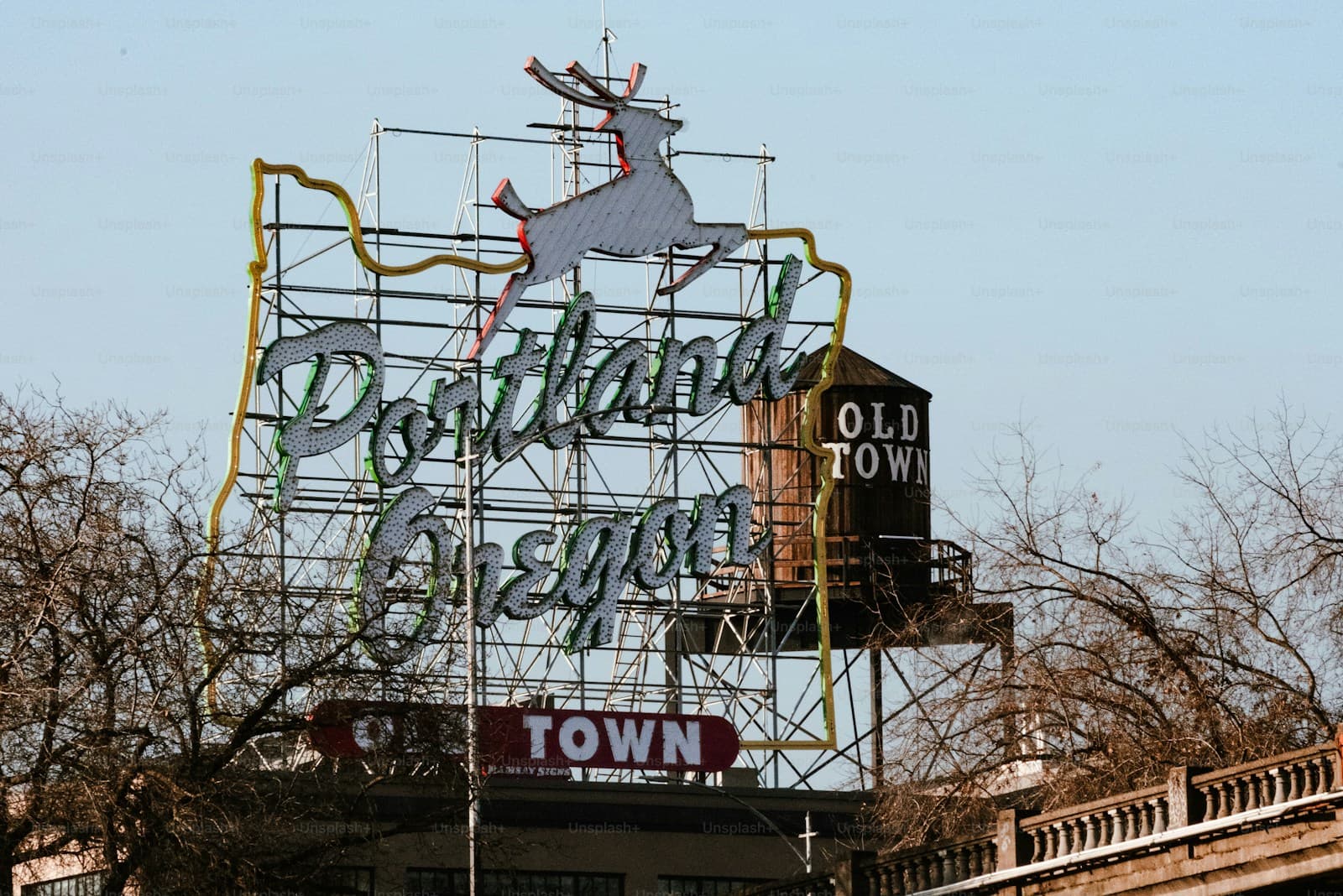
What Affects Rates in Portland
- Multnomah County's uninsured motorist rate runs around 13%, higher than the state's 10% average, which directly affects your uninsured/underinsured motorist premium even if your own record is spotless. For senior drivers on fixed incomes, this coverage is non-negotiable — a collision with an uninsured driver on SE Powell or NE Sandy can leave you with repair bills Medicare won't touch. Expect to pay $18–$28/month for meaningful UM/UIM coverage in Portland, higher than rural Oregon but critical given traffic density.
- Portland's concentration of hospitals — OHSU on Marquam Hill, Legacy Emanuel in inner Northeast, Providence St. Vincent in Cedar Mill — means most senior drivers are within 15 minutes of emergency care, which can factor into PIP coverage decisions. However, navigating traffic to these facilities during peak hours on routes like SW Broadway or the Sunset Highway adds collision risk. If you're making regular medical trips, consider whether your liability limits adequately cover complex urban intersections near these centers.
- Comprehensive and collision rates vary sharply across Portland's neighborhoods due to theft and vandalism patterns. Senior drivers in Northwest Portland or the Pearl often pay 20–30% more for comprehensive than those in Multnomah Village or Sellwood, reflecting catalytic converter theft and break-in rates downtown. If you garage your paid-off vehicle in a lower-crime eastside neighborhood and drive under 7,000 miles annually, dropping comprehensive to liability-only can save $40–$65/month — a meaningful reduction on retirement income.
- Portland's TriMet system offers the Honored Citizen fare ($28/month for those 65+), making it one of the West Coast's most accessible transit systems for reducing auto dependency. Senior drivers who switch to liability-only and use MAX or bus lines for non-essential trips can cut insurance costs by $50–$80/month while maintaining a vehicle for medical appointments or trips outside the metro core. This combination makes particular sense if you live near a MAX line in Gresham, Beaverton, or Clackamas and no longer commute daily.
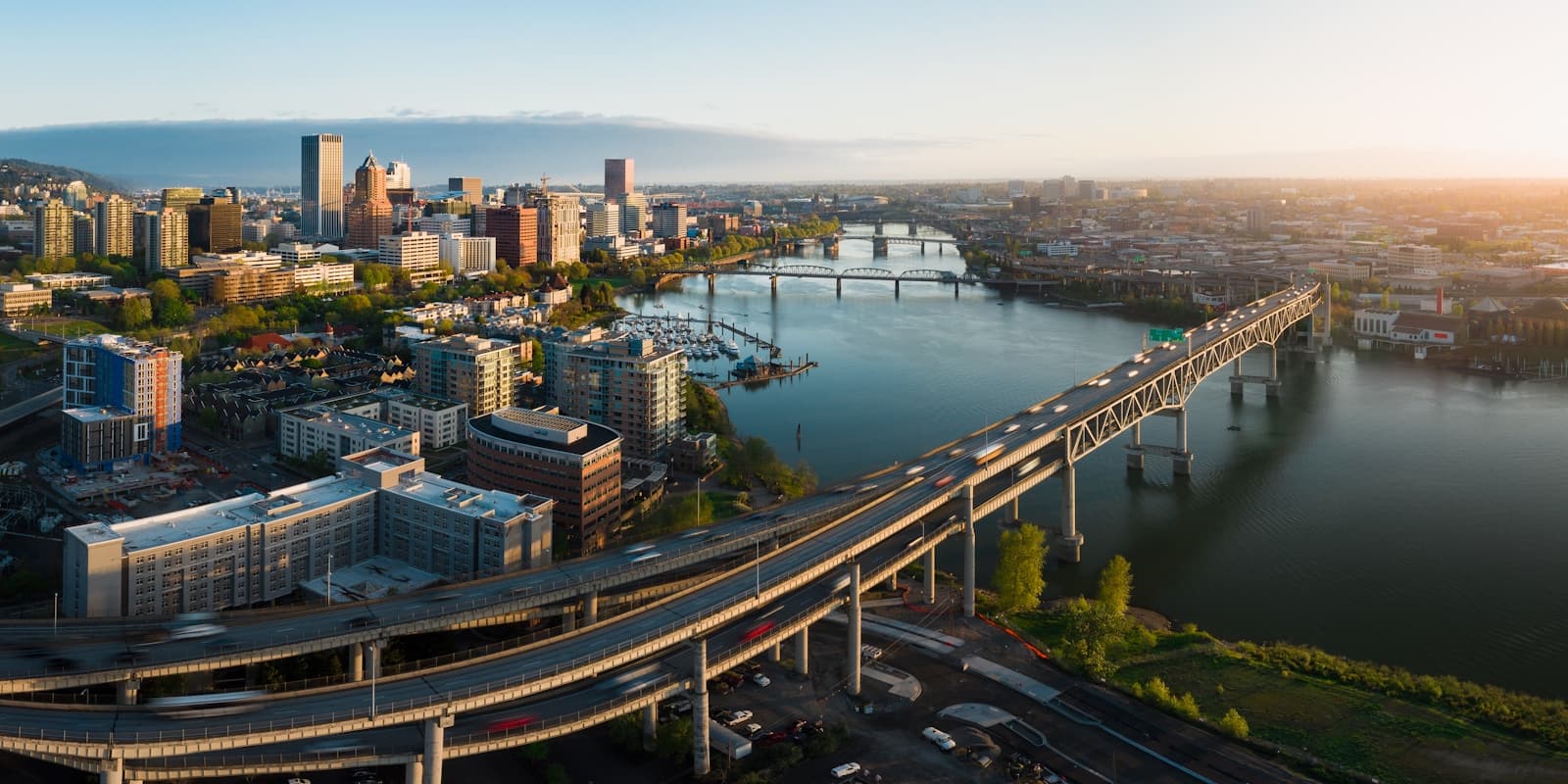
- Portland's occasional ice storms and snow events — typically 1–3 per winter — create brief but significant collision risk periods for senior drivers unfamiliar with black ice on bridges like the Marquam or Fremont. Comprehensive coverage becomes more valuable if you must drive during these events for medical appointments, as even minor ice-related collisions on I-205 or Highway 26 can exceed $3,000 in repairs. Many Portland seniors adjust their driving patterns during weather events, which can support enrollment in usage-based programs that reward avoiding peak-risk periods.
Compare rates from carriers that specialize in senior drivers
Mature driver discounts, low-mileage rates, and coverage reviews — see what you're actually eligible for.
Get Your Free QuoteCoverage Recommendations
Cost estimates are based on available industry data and vary by driver profile. These are not insurance quotes.
Liability Insurance
Portland's congested corridors like SE Hawthorne and NW 23rd increase multi-vehicle accident risk, making 100/300/100 limits more appropriate than state minimums for protecting retirement assets.
$45–$75/monthEstimated range only. Not a quote.
Uninsured Motorist Coverage
Multnomah County's 13% uninsured rate makes this coverage essential for Portland senior drivers, especially on high-traffic routes like I-5 through the Rose Quarter or SE 82nd Avenue.
$18–$28/monthEstimated range only. Not a quote.
Comprehensive Coverage
Catalytic converter theft remains elevated in Portland neighborhoods like Lents and Parkrose, making comprehensive valuable even on older vehicles if you can't absorb a $2,000–$3,500 replacement cost.
$25–$50/monthEstimated range only. Not a quote.
Collision Coverage
If your vehicle is paid off and worth under $5,000, many Portland senior drivers drop collision and self-insure, especially those driving under 7,000 miles annually in lower-density eastside neighborhoods.
$30–$60/monthEstimated range only. Not a quote.
Personal Injury Protection (PIP)
Oregon requires PIP, but senior drivers on Medicare can often reduce PIP limits since Medicare covers most medical costs, though PIP still covers deductibles and services Medicare excludes after Portland-area collisions.
$8–$18/monthEstimated range only. Not a quote.