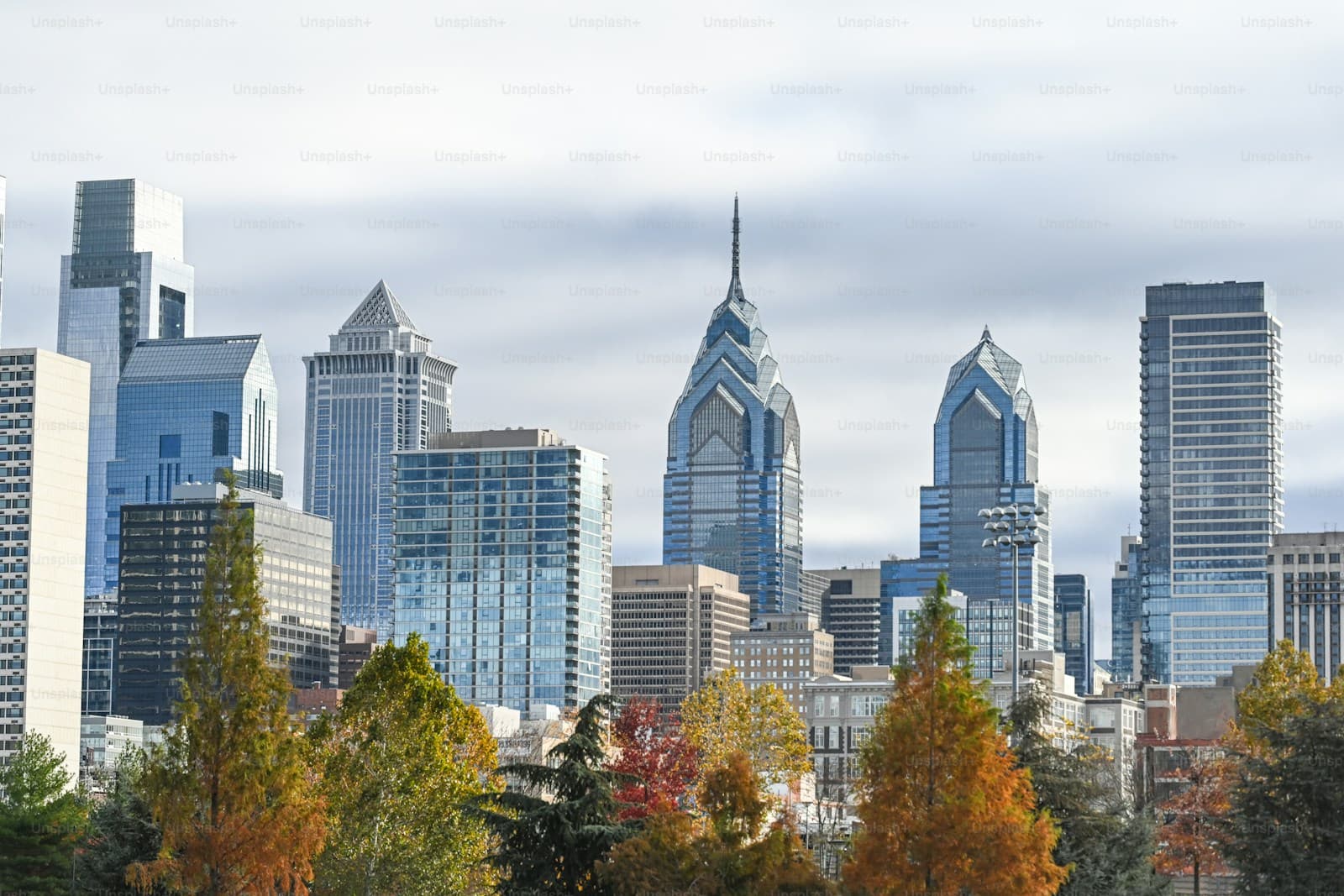
What Affects Rates in Philadelphia
- Navigating Market Street, Broad Street, and the Vine Street Expressway during peak hours exposes drivers to higher collision frequency than suburban Philadelphia routes. Seniors who primarily drive during off-peak hours or avoid Center City entirely may qualify for usage-based discounts through telematics programs that track when and where you drive. If you've shifted to mid-morning errands and weekend trips, insurers like Nationwide and Progressive offer programs that can reduce your premium by 10–20% based on actual driving patterns.
- Street parking in neighborhoods like Fishtown, Graduate Hospital, and Queen Village means higher comprehensive claims for side-mirror damage, door dings, and theft compared to suburban garages. If you park on-street regularly, maintaining comprehensive coverage typically makes sense even on a paid-off vehicle — a replaced side mirror or catalytic converter theft can cost $800–$2,500. However, if you have dedicated garage parking in neighborhoods like Chestnut Hill or Mt. Airy, you may see lower comprehensive premiums or consider higher deductibles to reduce monthly costs.
- Philadelphia's concentration of hospitals — Penn Presbyterian at 39th and Market, Jefferson at 11th and Walnut, Temple at Broad and Ontario — means seniors injured in accidents typically reach trauma care within 10–15 minutes citywide. This proximity can reduce the necessity of high medical payments coverage if you already carry Medicare with a Medigap policy, since Pennsylvania's tort system allows you to coordinate benefits and Medicare often becomes the primary payer for accident-related injuries after the first $5,000 in PIP exhausts.
- Philadelphia seniors who drive under 8,000 miles annually — common for those who rely on SEPTA's Broad Street Line, Market-Frankford Line, or regional rail for some trips — can access significant discounts through programs like Metromile's pay-per-mile model or traditional carriers' low-mileage tiers. If you've reduced driving since retirement and now primarily use your vehicle for medical appointments, grocery runs to Acme or Giant, and occasional visits to family in the suburbs, documenting your actual mileage can cut premiums by 15–30% compared to standard full-time driver rates.
- Pennsylvania mandates that insurers offer discounts to drivers who complete an approved mature driver improvement course, typically 5–10% for three years. AAA Mid-Atlantic offers classroom and online courses specifically designed for Philadelphia-area seniors, and AARP's Smart Driver course is widely accepted by carriers operating in the city. Completing a six-hour course every three years can save $60–$180 annually, and many insurers apply the discount immediately upon proof of completion — ask your agent for the list of approved providers before enrolling.
Compare rates from carriers that specialize in senior drivers
Mature driver discounts, low-mileage rates, and coverage reviews — see what you're actually eligible for.
Get Your Free QuoteCoverage Recommendations
Cost estimates are based on available industry data and vary by driver profile. These are not insurance quotes.
Liability Insurance
Philadelphia's pedestrian-heavy intersections in University City and Rittenhouse Square increase liability exposure if a senior driver strikes a pedestrian crossing mid-block or at complex five-point intersections like Logan Circle.
$45–$75/moEstimated range only. Not a quote.
Comprehensive Coverage
Catalytic converter theft has spiked in Philadelphia neighborhoods from South Philly to Kensington, with replacement costs of $1,500–$3,000 making comprehensive coverage cost-effective for vehicles worth over $5,000.
$25–$50/moEstimated range only. Not a quote.
Collision Coverage
Narrow streets in Old City and Manayunk create frequent low-speed accidents involving parked cars and tight turns, but if your 2012 sedan is worth $4,000 and collision costs $600/year, liability-only may make more financial sense.
$30–$60/moEstimated range only. Not a quote.
Uninsured Motorist Coverage
Philadelphia's uninsured driver rate runs higher than suburban counties, especially in areas with lower median incomes, making UM/UIM coverage essential protection for seniors on fixed incomes who cannot afford out-of-pocket vehicle replacement.
$15–$35/moEstimated range only. Not a quote.
Medical Payments Coverage
Philadelphia seniors with Original Medicare and Plan G or Plan N Medigap coverage may find that $5,000 in medical payments coverage offers minimal additional value, since Medicare becomes primary payer after PIP exhausts and Medigap covers most gaps.
$5–$15/moEstimated range only. Not a quote.