What Affects Rates in Reading
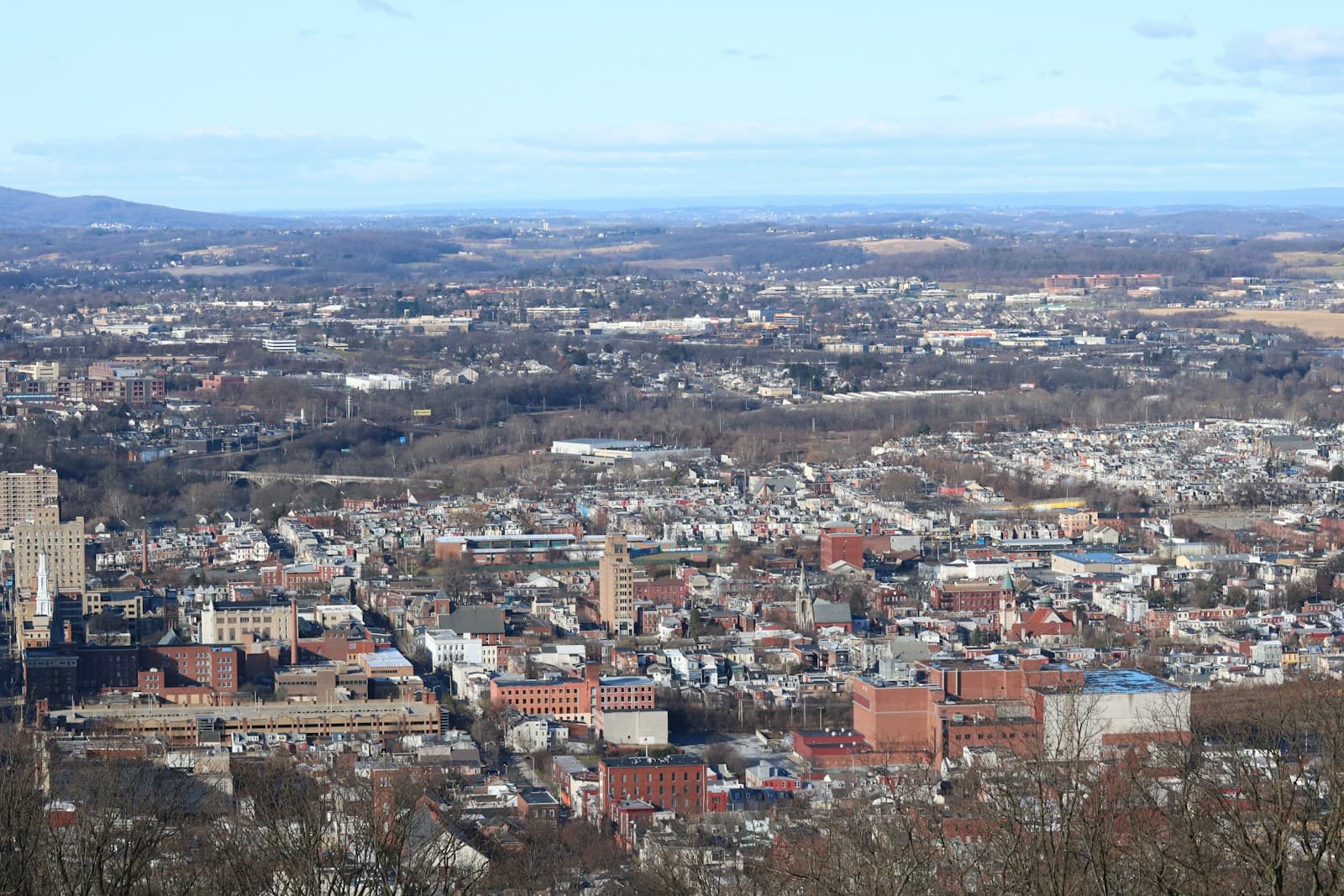
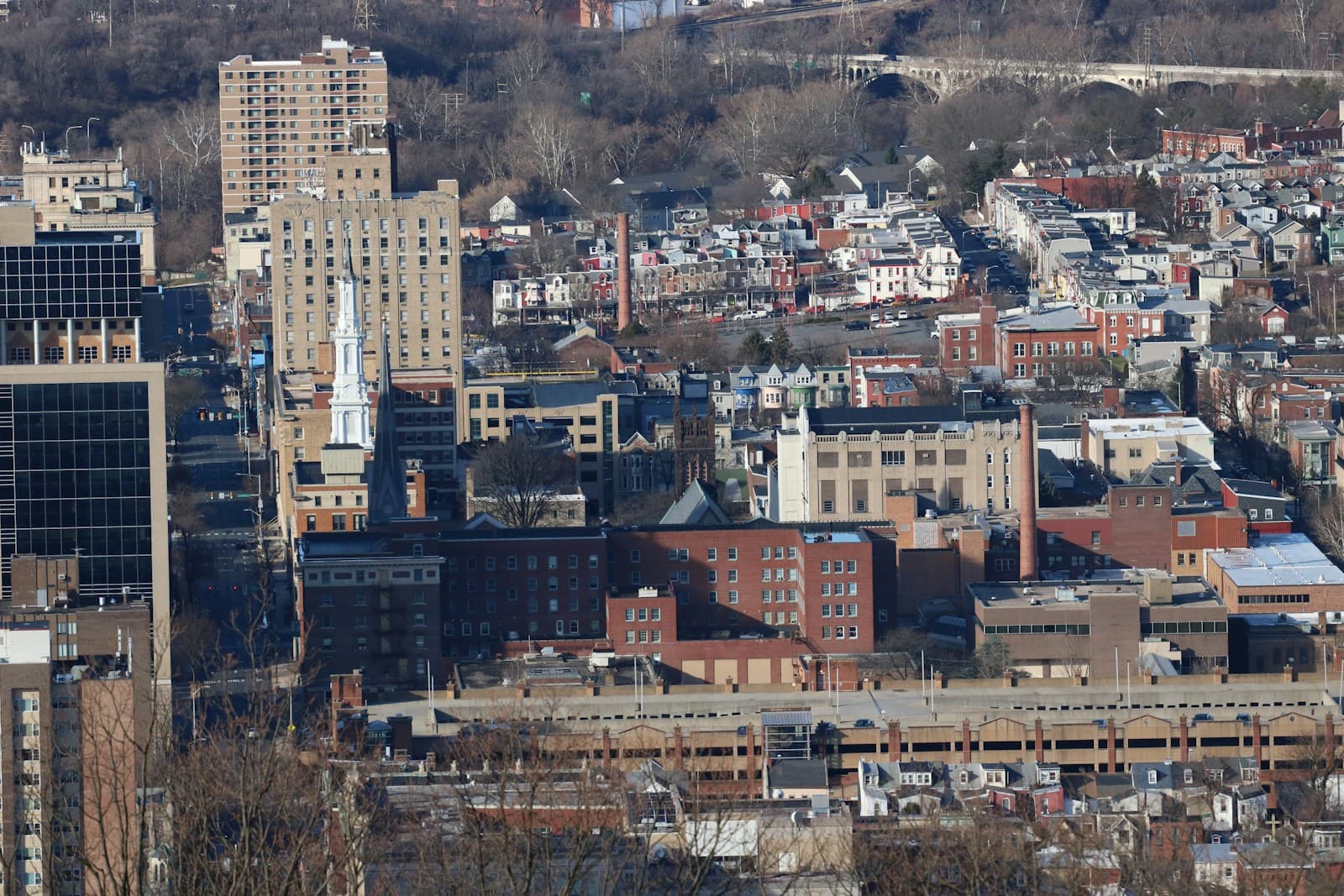
- Downtown Penn Street and the Fifth Street Highway corridor remain high-traffic zones, but most senior drivers in Reading navigate these only for medical appointments at Tower Health or shopping trips rather than daily commutes. The shift from rush-hour driving to midday errands reduces exposure to the heaviest traffic periods, which telematics programs can verify and reward. Collision frequency on Penn Street between 6th and 9th remains elevated, but seniors driving outside peak hours face measurably different risk.
- Tower Health Reading Hospital on South 6th Avenue and numerous satellite facilities throughout the city mean most senior drivers are within 10 minutes of emergency care, which affects medical payments coverage decisions. Many seniors carry Medicare as primary health insurance, making Pennsylvania's optional medical benefits coverage redundant for occupant injuries. The dense placement of urgent care centers in West Reading and Wyomissing reduces the argument for high medical payments limits that duplicate existing health coverage.
- Older neighborhoods in Reading—including Oakbrook, Glenside, and areas near Albright College—feature street parking rather than private garages, increasing comprehensive claims for vandalism, theft, and weather damage. Hail events in spring and the July 2023 severe storms that damaged hundreds of parked vehicles demonstrate why comprehensive coverage remains valuable even on paid-off vehicles. Seniors parking on-street in the 19601 and 19602 zip codes face different risk than those with garage access in suburban Wyomissing or Sinking Spring.
- Retired senior drivers in Reading typically log 5,000–7,000 miles annually compared to the Pennsylvania average of 12,000+ for working-age drivers, creating significant savings opportunity through low-mileage discounts and pay-per-mile programs. Carriers including Nationwide, Allstate, and Metromile offer mileage-based pricing that can reduce premiums by 20–35% for drivers making only local trips to Giant on Kutztown Road or Santander Arena events. Telematics programs verify actual usage rather than relying on estimates, which benefits seniors whose driving patterns have genuinely changed.
- Reading averages 28 inches of snow annually, and neighborhoods on Mount Penn and along Skyline Drive face ice accumulation that many senior drivers choose to avoid by limiting winter driving. Collision coverage on a 10-year-old paid-off sedan may not be cost-justified if the vehicle is worth $4,500 and the annual collision premium is $380, particularly for drivers who park the car during severe weather. The deductible and depreciation math shifts for seniors on fixed income who can absorb a total loss more easily than ongoing premium costs.
Compare rates from carriers that specialize in senior drivers
Mature driver discounts, low-mileage rates, and coverage reviews — see what you're actually eligible for.
Get Your Free QuoteCoverage Recommendations
Cost estimates are based on available industry data and vary by driver profile. These are not insurance quotes.
Liability Insurance
Penn Street and Route 222 congestion creates rear-end collision exposure where liability limits protect your assets if you're found at fault.
$45–$75/monthEstimated range only. Not a quote.
Comprehensive Coverage
Street parking in Hampden Heights and near Albright College elevates comprehensive claims, making this coverage valuable even on older paid-off vehicles parked outdoors.
$25–$50/monthEstimated range only. Not a quote.
Uninsured Motorist Coverage
Reading's uninsured motorist rate runs higher than suburban Berks County, making this coverage critical for senior drivers on fixed income who cannot absorb uncovered medical costs.
$15–$30/monthEstimated range only. Not a quote.
Medical Payments Coverage
Most Reading seniors carry Medicare, which serves as primary coverage for accident injuries, reducing the need for high medical payments limits that duplicate existing health insurance.
$8–$18/monthEstimated range only. Not a quote.
Collision Coverage
If your 2014 vehicle is worth $5,000 and collision premiums are $420/year, the math often favors dropping this coverage and self-insuring, especially for low-mileage senior drivers who can avoid winter ice on Skyline Drive.
$30–$65/monthEstimated range only. Not a quote.