What Affects Rates in Chesapeake
- Most senior drivers in Chesapeake navigate moderate traffic on I-64, Battlefield Boulevard, and Greenbrier Parkway rather than dense urban congestion. This suburban pattern typically results in lower collision frequency rates than Norfolk or Virginia Beach, which translates to better premiums for drivers with clean records. However, highway reliance means comprehensive and collision coverage remain important even for seniors driving under 7,000 miles annually.
- Chesapeake Regional Medical Center serves the northern sections, while Sentara hospitals anchor coverage in Greenbrier and Western Branch. Seniors living in southern rural areas near the North Carolina border may be 20+ minutes from emergency care, a factor that makes uninsured motorist coverage particularly important given the distance to trauma centers. Response times vary significantly across the city's geography.
- South of Route 168 and along Northwest River Park areas, deer strikes are a documented risk that many senior drivers underestimate when considering whether to drop comprehensive coverage. Chesapeake's mix of suburban development and preserved wetlands creates higher animal collision risk than fully developed Hampton Roads cities. Comprehensive coverage on a paid-off vehicle may cost $18–$35/month but can prevent a $3,000+ out-of-pocket loss from a single deer encounter.
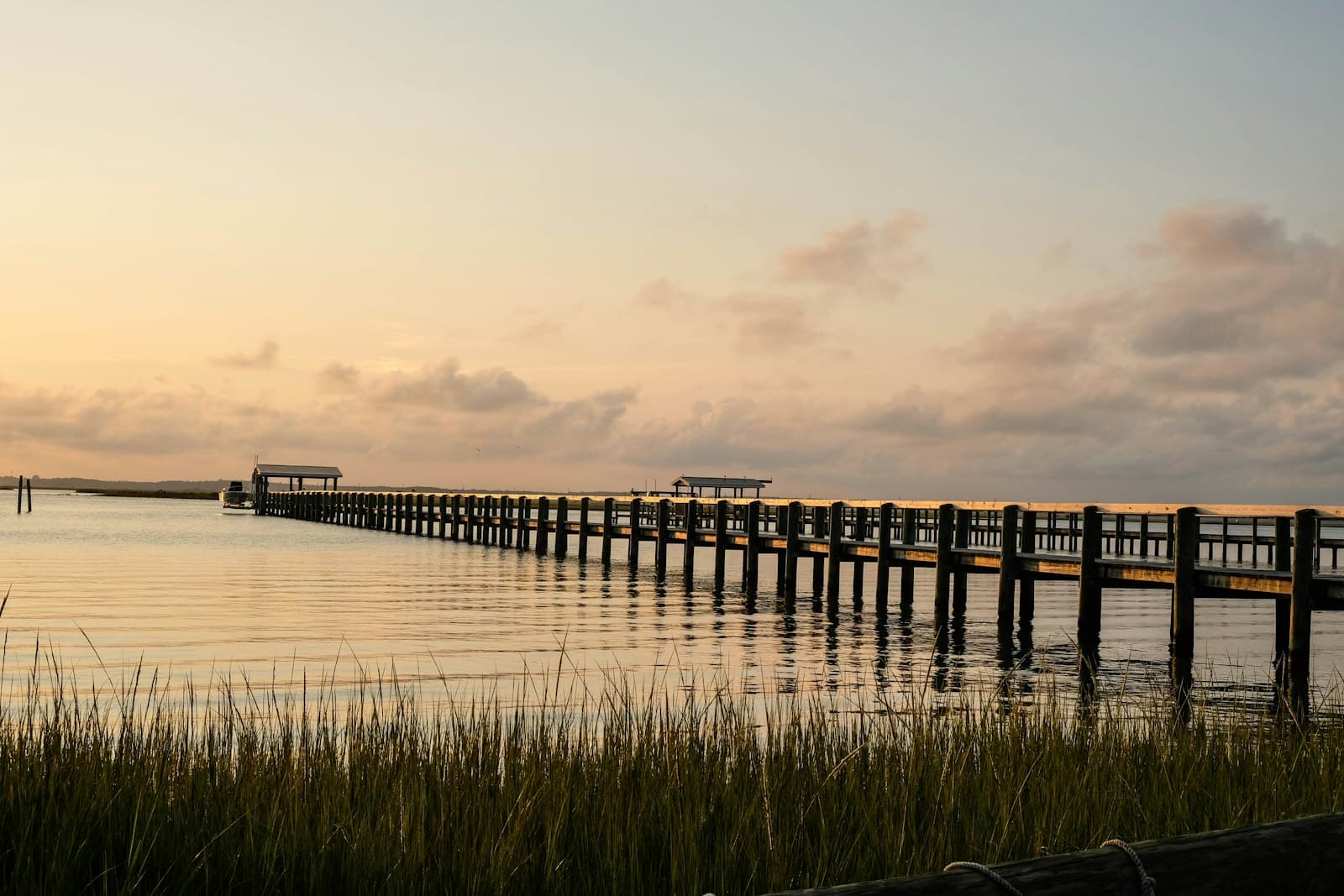
- Chesapeake experiences tidal flooding in low-lying areas near the Elizabeth River and Northwest River, particularly during nor'easters and hurricane season. Senior drivers in flood-prone neighborhoods should verify that comprehensive coverage specifically addresses water damage, as standard policies may have limitations. The 2022 coastal flooding affected vehicle storage in several senior-heavy communities near Great Bridge.
- Hampton Roads Transit serves Chesapeake, but routes are limited compared to Norfolk, and many senior-dense neighborhoods lack convenient bus access. This transportation gap means most seniors here cannot realistically reduce vehicle dependence, making low-mileage discounts more relevant than dropping coverage entirely. Telematics programs that reward safe driving patterns rather than just reduced mileage often work better for Chesapeake seniors who still need regular vehicle access.
Compare rates from carriers that specialize in senior drivers
Mature driver discounts, low-mileage rates, and coverage reviews — see what you're actually eligible for.
Get Your Free QuoteCoverage Recommendations
Cost estimates are based on available industry data and vary by driver profile. These are not insurance quotes.
Liability Insurance
Given Chesapeake's highway corridors like I-64 and Battlefield Boulevard, many experienced insurance advisors recommend 100/300/100 limits for seniors with retirement assets to protect.
$45–$75/monthEstimated range only. Not a quote.
Comprehensive Coverage
Particularly relevant in southern Chesapeake and near Northwest River Park where deer strikes occur regularly, and in flood-prone areas near Great Bridge during storm season.
$18–$35/monthEstimated range only. Not a quote.
Collision Coverage
May be cost-justified even on older paid-off vehicles if you rely on highway driving to reach medical appointments at Chesapeake Regional or Sentara facilities, as replacement transportation is expensive without public transit alternatives.
$35–$70/monthEstimated range only. Not a quote.
Uninsured Motorist Coverage
Especially important for seniors in rural southern Chesapeake where emergency response times exceed 15 minutes and out-of-pocket medical costs can mount quickly before reaching a trauma center.
$12–$25/monthEstimated range only. Not a quote.
Medical Payments Coverage
Works alongside Medicare to cover ambulance costs and emergency room copays, which matter more in Chesapeake given the distances between accident scenes and hospitals in the city's 340-square-mile footprint.
$8–$18/monthEstimated range only. Not a quote.