Minimum Coverage Requirements in Washington
Washington operates under an at-fault system and requires 25/50/10 minimum liability coverage — $25,000 per person for bodily injury, $50,000 per accident, and $10,000 for property damage. Unlike some states, Washington does not legally mandate mature driver course discounts, though most major carriers voluntarily offer them to drivers who complete an approved defensive driving program. The Washington Department of Licensing oversees driver safety programs, while the Office of the Insurance Commissioner regulates carrier practices. Senior drivers with clean records often qualify for additional discounts beyond the base mature driver rate reduction.

Meeting the state minimum keeps you legal. See whether it's enough — get your Washington quote.
Get your Washington quoteHow Much Does Car Insurance Cost in Washington?
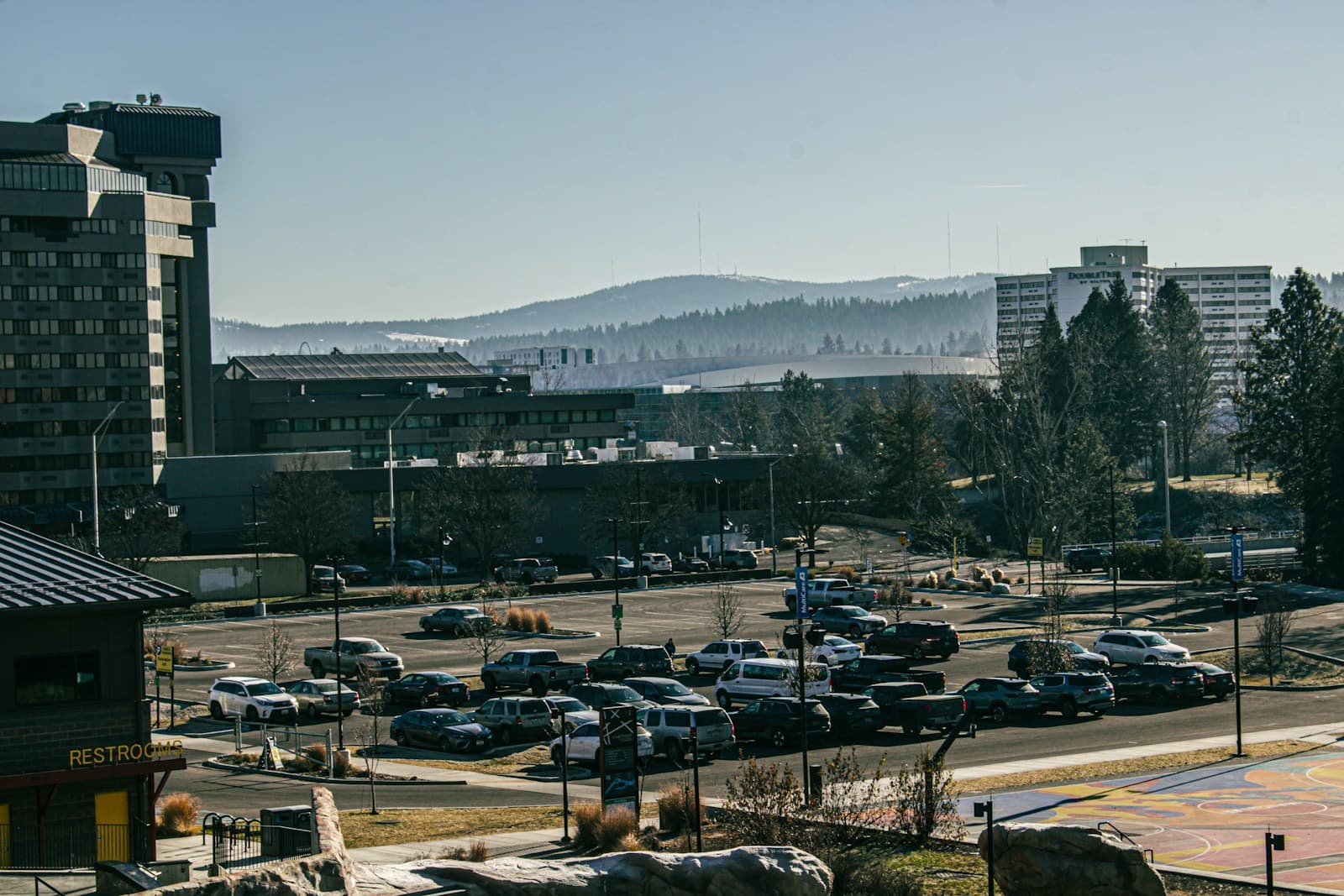
Washington senior driver rates vary significantly by age bracket, location, and driving profile. Drivers aged 65–69 with clean records often pay less than middle-aged drivers due to low mileage and mature driving habits. Rates typically increase modestly starting at age 70 and more sharply after 75 as actuarial risk tables reflect claim frequency, even for drivers with no violations. Urban centers like Seattle, Bellevue, and Spokane show higher premiums due to traffic density and collision rates, while rural counties often see lower base rates offset by higher comprehensive claims from wildlife collisions.
What Affects Your Rate
- Mature driver course discounts of 5–10% are available from most Washington carriers after completing an approved defensive driving program, typically an 8-hour online or in-person course through AARP or the National Safety Council, though the state does not mandate this discount by law.
- Annual mileage under 7,500 miles qualifies many senior drivers for low-mileage discounts of 10–20%, a significant saving for retirees who no longer commute to work in Seattle, Tacoma, or Spokane metro areas.
- Urban location penalties in King, Pierce, and Snohomish counties can add 20–35% to premiums compared to rural counties due to higher collision frequency, vehicle theft rates, and uninsured driver exposure.
- Bundling home and auto insurance with the same carrier typically yields 15–25% combined savings, a particularly valuable strategy for senior homeowners on fixed incomes.
- Telematics or usage-based programs that monitor driving habits can reduce rates by 10–30% for safe drivers, though some seniors prefer not to share real-time driving data with insurers.
- Credit-based insurance scoring is permitted in Washington and can significantly affect premiums; senior drivers with strong credit profiles often see rates 20–40% lower than those with poor credit, even with identical driving records.
Compare rates from carriers that specialize in senior drivers
Mature driver discounts, low-mileage rates, and coverage reviews — see what you're actually eligible for.
Get Your Free QuoteCoverage Types
Liability Insurance
Covers bodily injury and property damage you cause to others in an at-fault accident. Washington's 25/50/10 minimums are often insufficient given Seattle-area medical costs and average vehicle values.
Uninsured Motorist Coverage
Protects you when hit by a driver with no insurance or insufficient coverage. Washington requires insurers to offer this at limits matching your liability policy, though you may reject it in writing.
Comprehensive Coverage
Covers non-collision damage including theft, vandalism, hail, glass breakage, and animal strikes. Optional coverage that makes sense if your vehicle's value justifies the annual premium.
Personal Injury Protection (PIP)
Washington requires insurers to offer minimum $10,000 PIP, which covers your medical bills and lost income regardless of fault. You may reject it in writing, but it coordinates with Medicare as primary coverage.
Collision Coverage
Pays to repair or replace your vehicle after a collision with another car or object, minus your deductible. Optional coverage that becomes less cost-effective as vehicle value declines.
Medical Payments Coverage
Optional coverage that pays medical expenses for you and your passengers after an accident, regardless of fault, without a deductible. Overlaps with PIP but offers additional coverage if PIP limits are exhausted.