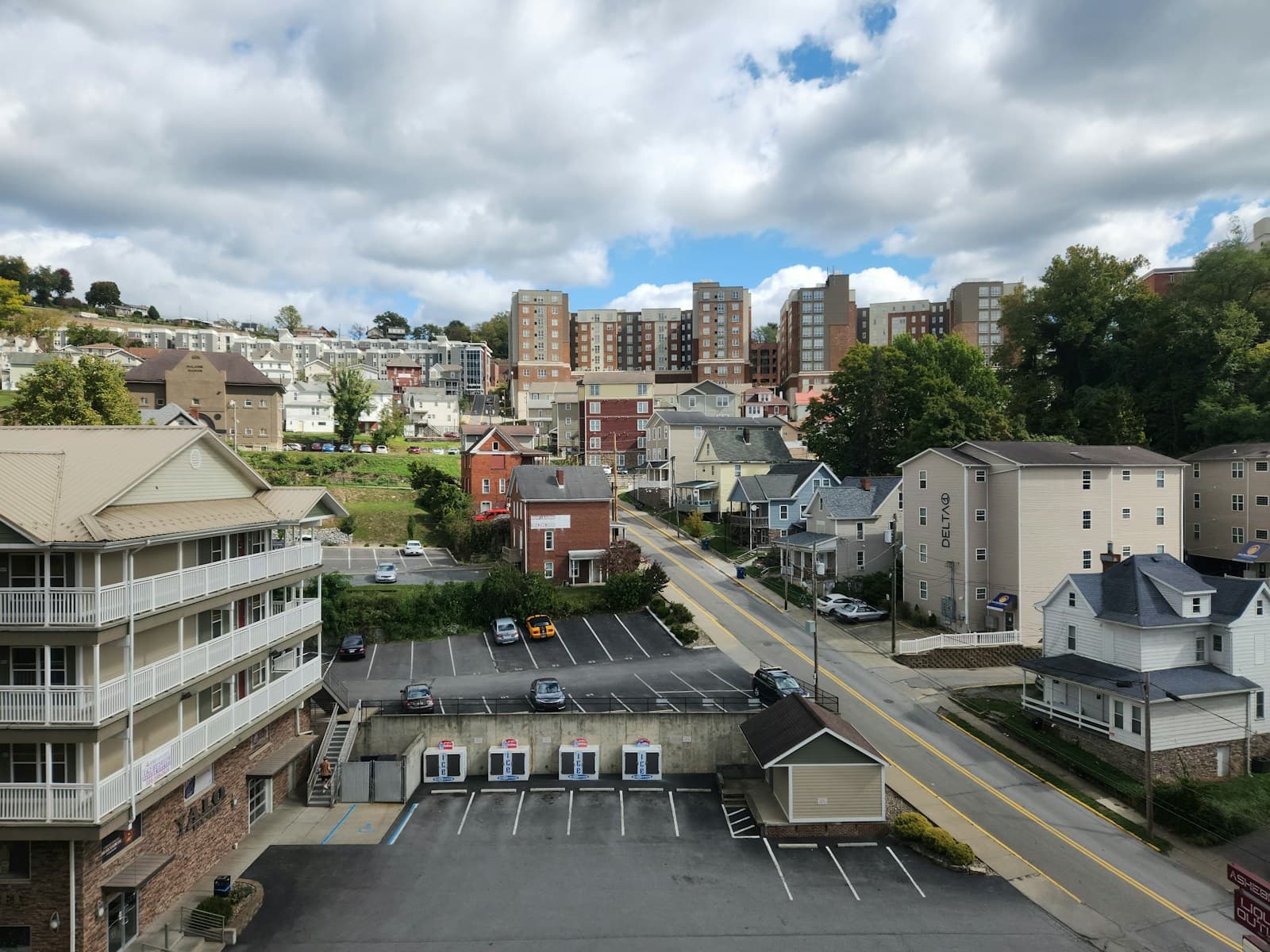
What Affects Rates in Morgantown
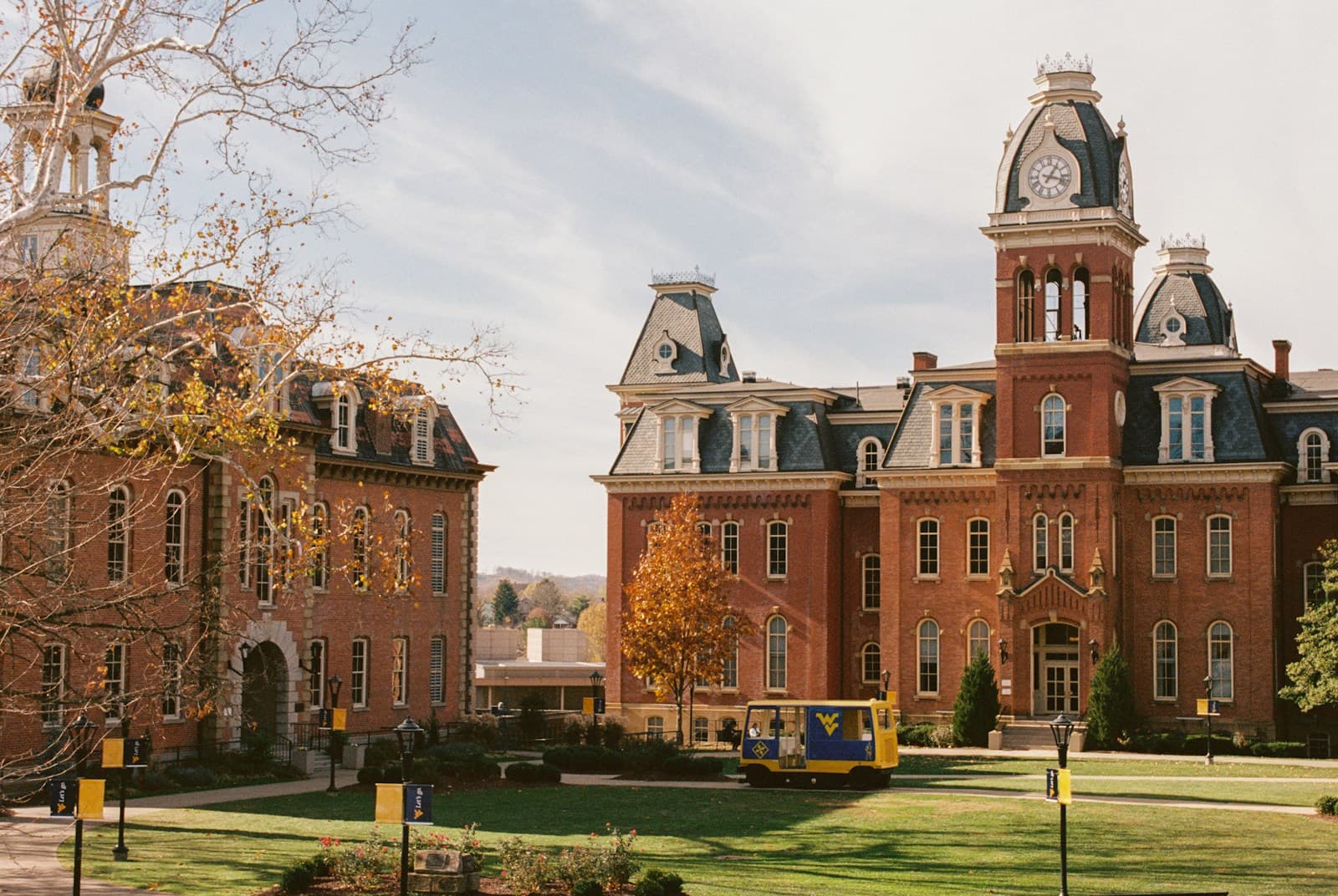
- The concentration of 26,000 WVU students creates seasonal traffic density spikes on University Avenue, Patteson Drive, and Beechurst Avenue from late August through early May. Senior drivers who avoid campus-area routes during peak academic periods or limit driving during move-in/move-out weekends may qualify for usage-based insurance discounts that reflect lower exposure to the elevated collision frequency near campus. Some carriers in the Morgantown market offer mileage verification programs that can reduce premiums by 15–25% for drivers logging under 7,500 annual miles, particularly relevant for retirees no longer commuting to Pierpont or downtown offices.
- Neighborhoods like Suncrest, South Park, and areas along Cheat Road sit on significant grades that become challenging during winter ice events, particularly January through early March. Senior drivers in these elevated areas face higher comprehensive coverage costs due to increased weather-related claims, but those who garage vehicles or reduce winter driving may negotiate seasonal adjustments with local agents. The steep inclines on Riddle Avenue and portions of Canyon Road contribute to brake wear and occasional low-speed collisions, factors that appear in actuarial data for older drivers in hillside sections of Morgantown.
- WVU Medicine Ruby Memorial Hospital sits less than two miles from downtown Morgantown, and Mon Health Medical Center serves the Sabraton corridor, providing rapid emergency response times that affect medical payments coverage decisions for senior drivers. For drivers already on Medicare, the interaction between auto insurance medical payments coverage and Medicare Part B creates potential redundancy—many Morgantown seniors reduce medical payments from $5,000 to $1,000 or eliminate it entirely once they understand Medicare covers most accident-related injuries. This adjustment typically saves $8–$15/month without creating meaningful coverage gaps given the proximity to trauma-capable facilities.
- Senior drivers who regularly use I-68 for trips to Star City or Cheat Lake face different risk profiles than those who limit driving to Morgantown's residential streets and the Suncrest Town Centre area. Highway exposure increases both liability severity and collision frequency, particularly at the I-68/Route 119 interchange near Sabraton where merging traffic creates elevated risk. Drivers who have eliminated highway travel entirely—relying on local errands along University Avenue, Don Knotts Boulevard, and the downtown corridor—should discuss mileage and route-based discounts with carriers, as several insurers in the Morgantown market now offer telematics programs that reward lower-speed driving patterns.
- Many Morgantown seniors own paid-off vehicles with actual cash values below $5,000, making the cost-benefit calculation for comprehensive and collision coverage worth revisiting annually. A 2015 Honda Accord worth $4,200 incurs roughly $45–$65/month for comprehensive and collision with a $500 deductible, meaning a single year of premiums represents 13–18% of the vehicle's value. Senior drivers in this position often transition to liability-only coverage plus uninsured motorist protection, particularly important in Monongalia County where uninsured driver rates run approximately 9–11%, preserving protection against others while eliminating coverage that may not recover sufficient value after deductible in a total-loss scenario.
Compare rates from carriers that specialize in senior drivers
Mature driver discounts, low-mileage rates, and coverage reviews — see what you're actually eligible for.
Get Your Free QuoteCoverage Recommendations
Cost estimates are based on available industry data and vary by driver profile. These are not insurance quotes.
Liability Coverage
Morgantown's mix of student pedestrian traffic near campus and residential neighborhoods makes liability protection essential even for low-mileage drivers.
$45–$75/month for 100/300/50Estimated range only. Not a quote.
Comprehensive Coverage
Winter ice storms on Morgantown's hillside streets and occasional hail in the Cheat Lake area make comprehensive coverage valuable for drivers in Suncrest and South Park neighborhoods.
$25–$45/monthEstimated range only. Not a quote.
Uninsured Motorist Coverage
With uninsured driver rates around 9–11% in Monongalia County, this coverage provides critical protection for senior drivers on fixed incomes who cannot absorb unexpected medical or repair costs.
$18–$30/monthEstimated range only. Not a quote.
Medical Payments Coverage
Given WVU Medicine Ruby Memorial's proximity and Medicare Part B coverage, many Morgantown seniors reduce this from $5,000 to $1,000 or eliminate it, saving $8–$15/month.
$6–$18/monthEstimated range only. Not a quote.