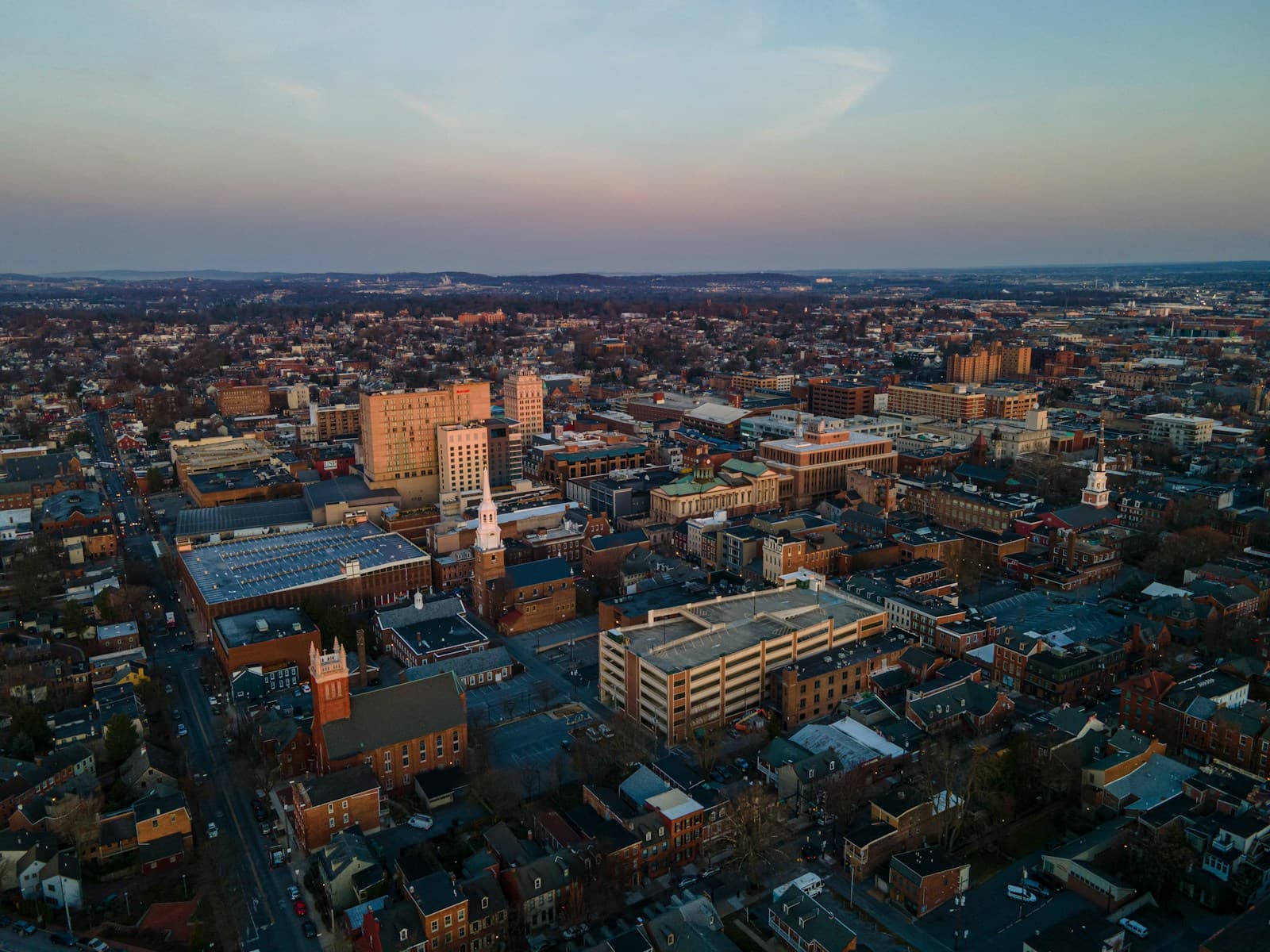
What Affects Rates in Lancaster
- Lancaster's one-way downtown grid system — King and Queen Streets running opposite directions — requires tight maneuvering in parallel parking zones and frequent lane positioning decisions. Senior drivers who primarily use their vehicles for medical appointments and errands rather than daily commuting may find their actual collision risk lower than citywide averages suggest, making usage-based or low-mileage programs particularly valuable for reducing premiums on vehicles driven fewer than 7,000 miles annually.
- The Lincoln Highway (Route 30) corridor through Lancaster and the Route 283 interchange at Harrisburg Pike present high-speed merging situations that many senior drivers navigate weekly for shopping trips to Park City Center or medical appointments. Uninsured motorist coverage carries heightened importance here — Pennsylvania's uninsured driver rate runs approximately 6%, and Route 30's commercial traffic density increases exposure to drivers carrying only minimum liability limits.
- Lancaster's three major hospital systems — Lancaster General on Harrisburg Pike, UPMC Community Osteopathic on North President Avenue, and WellSpan Ephrata just east of the city — create short transport distances for accident-related injuries. For senior drivers covered by Medicare Parts A and B, Pennsylvania's medical benefits coverage (often $5,000 minimum) overlaps with existing health coverage, making it reasonable to evaluate whether carrying more than the minimum medical payments coverage provides actual financial protection or duplicates Medicare benefits you already have.
- Lancaster experiences significant seasonal traffic increases from Amish Country tourism, particularly on routes connecting to Route 30 east toward Bird-in-Hand and Intercourse. Summer and fall weekends see heightened congestion and unfamiliar drivers on roads like Lincoln Highway East and Route 340, creating parking lot risks and rear-end collision exposure that affect comprehensive and collision coverage value calculations for senior drivers whose paid-off vehicles may not justify the cost of maintaining full coverage year-round.
- Retired Lancaster drivers who no longer commute to offices in Harrisburg or Philadelphia and primarily drive for local errands, church, and medical appointments typically log 6,000–8,000 miles annually — well below the national average of 12,000–14,000 miles. Most major carriers writing business in Lancaster County offer low-mileage discounts starting at 7,500 miles or below, and telematics programs from providers like Progressive Snapshot and State Farm Drive Safe & Save can document actual usage patterns, often reducing premiums by 10–25% for drivers whose annual mileage genuinely reflects reduced risk exposure.

Compare rates from carriers that specialize in senior drivers
Mature driver discounts, low-mileage rates, and coverage reviews — see what you're actually eligible for.
Get Your Free QuoteCoverage Recommendations
Cost estimates are based on available industry data and vary by driver profile. These are not insurance quotes.
Liability Insurance
Route 30 and Route 283 traffic exposure makes carrying higher liability limits — 100/300/100 or better — worth considering given the risk of multi-vehicle accidents involving expensive commercial vehicles.
$45–$75/monthEstimated range only. Not a quote.
Comprehensive Coverage
Lancaster's urban deer population and parking lot density near Park City Center and downtown create consistent comprehensive claims, though drivers with paid-off vehicles worth less than $4,000–$5,000 may find the annual premium exceeds potential payout.
$18–$35/monthEstimated range only. Not a quote.
Collision Coverage
Tight downtown parking on King and Queen Streets and congested Route 30 intersections generate steady collision claims, but senior drivers with vehicles older than 10 years should compare annual collision premiums against current vehicle value to determine cost-justification.
$30–$55/monthEstimated range only. Not a quote.
Uninsured Motorist Coverage
Pennsylvania's approximately 6% uninsured driver rate and Route 30's heavy commercial traffic make uninsured/underinsured motorist coverage particularly valuable for senior drivers on fixed incomes who cannot absorb out-of-pocket costs from an at-fault uninsured driver.
$12–$25/monthEstimated range only. Not a quote.
Full Coverage
Full coverage makes financial sense for Lancaster senior drivers whose vehicles retain sufficient value to justify repair costs and who regularly navigate Route 30, Route 283, and downtown parking situations where accident risk remains consistent despite reduced annual mileage.
$95–$145/monthEstimated range only. Not a quote.